

Sherwin Williams’ Clary Sage and Evergreen Fog comes in every conversation.
They’re both from Sherwin Williams, they’re both gorgeous, and they’re both having a moment.
Clary Sage Vs Evergreen Fog came up and I figured it was time to break down what makes each one important.
They both are soft, muted green-grays which work well in modern interiors but they’re not interchangeable.
Homeowners love them, designers look at them and renovators put them on every sample.
The confusion makes sense because they both are in the “quiet color” category.
But choosing the wrong one can make a bright, airy room feel dark and moody, or a cozy space becomes cold and uninviting.
So, I’m walking you through Clary Sage Vs Evergreen Fog like what they look like, how they behave in different lighting, and why they work in some spaces.
Then we’re doing a side-by-side comparison so you can see the differences in LRV, undertones, and how to style them.
I’ll also break down which rooms work best for each color.
Here are my other blog posts that you can also read:
- Alabaster Vs Shoji White
- Woodlawn Blue Vs Palladian Blue
- White Dove Vs Alabaster
- Balanced Beige Vs Accessible Beige
- Oyster White Vs Shoji White
Clary Sage Color Overview (SW 6178)
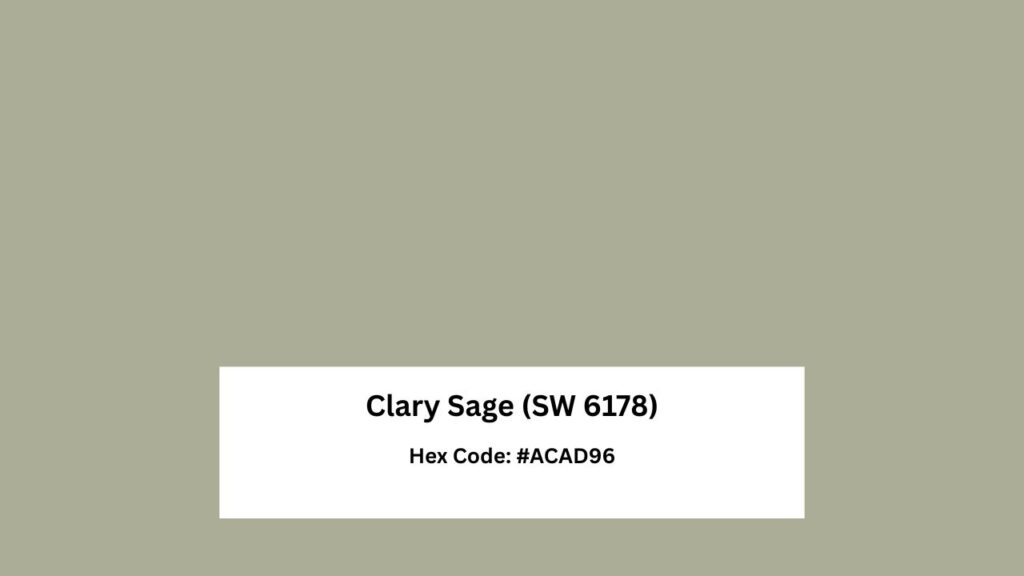
Clary Sage is what I call a “real” sage green. It is a muted, medium-depth green with gray undertones.
When I first started using it, I was surprised by how saturated it is compared to some of the other greens. It’s more traditional sage than trendy green.
The first time I used Clary Sage was in a client’s living room that got inconsistent light throughout the day.
I expected it to look soft and light like it did on the sample.
But it is much deeper and strong on walls, mainly in low or medium light situations.
In spaces without natural light, Clary Sage shows presence and depth.
What I love about it is that it works with many design styles.
Modern spaces love it because it has a muted, sophisticated vibe.
Transitional interiors goes with it because it bridges that gap between traditional sage and contemporary gray-greens.
I’ve seen it on exteriors mostly on front doors and shutters.
Bedrooms get that cozy-but-not-dark feel with Clary Sage.
Living rooms can handle it well, if you’ve good natural light to balance the deep tone.
In small bathrooms with limited light, it feels moody than fresh.
Evergreen Fog Color Overview (SW 9130)
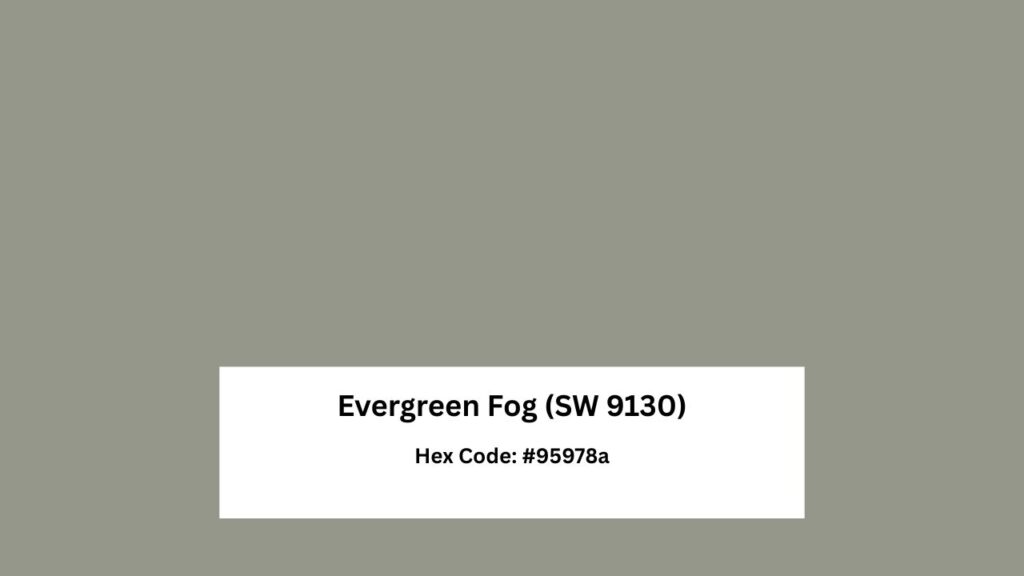
Evergreen Fog is cool, light, chic. It’s a soft green-gray that is more into the gray than Clary Sage does, with these subtle blue undertones that make it feel modern and airy.
Sherwin Williams named it their Color of the Year for 2022, which is why it came in trend but it deserved the hype.
It’s light, more muted, and it has a calming effect which makes spaces feel big and open.
The tricky part with Evergreen Fog is that it can look more gray than green in some lighting.
In low light or shadowed spaces, the blue undertone can come through and it has a color that is almost gray-blue with a hint of green.
I had this in a north-facing living room and added warm lighting to bring the green back out.
Modern interiors love Evergreen Fog. It fits into the “organic modern” like the warm wood, the natural textures, the neutral. Transitional spaces work great with it too because it’s adaptable.
Contemporary exteriors have been using it a lot, and I’ve seen some gorgeous front doors in this color.
For interiors, living rooms feel fresh and collected with Evergreen Fog.
Bedrooms get a serene, hotel-like quality.
Bathrooms become the light, spa-like spaces that feel clean and airy instead of cave-like.
Clary Sage Vs Evergreen Fog (Side-By-Side Comparison)
Okay, so they’re both green, both gray, both popular. But when you put them next to each other, the differences are visible.
Understanding these differences is what keeps you from making a mistake and repainting because you picked the wrong undertone is not fun.
LRV
Light Reflectance Value is how much light a color reflects back, and it matters way more than people think.
Clary Sage has an LRV of 41, which puts it right in the medium range.
It’s absorbing about half the light, which is why it feels deep and substantial.
The LRV means it has the presence to make a statement.
Evergreen Fog is at an LRV of 30, you can see the difference when they’re both on walls.
It’s light and reflects more light back into the room, which is part of why it feels airy and open.
The five-point difference is visible in the real-world.
What this means: if you’ve got a small room or one with limited windows, Evergreen Fog is the safe bet.
The high LRV will help the space feel big and bright.
But if you’ve got a large, well-lit room and you want more depth and coziness, Clary Sage’s lower LRV works.
Undertones
Clary Sage has warm gray undertones that are toward the traditional sage green territory.
There’s no blue undertones, it’s warm and grounded. In some lights, you may see a bit of yellow-gray, but it’s subtle.
The warmth is what makes it feel inviting and cozy.
Evergreen Fog has cool gray undertones with a touch of blue that is obvious in indirect light or shadowed areas.
The coolness is what gives it a modern, sophisticated feel.
The blue undertone can be a beautiful thing if you’re going for cool, contemporary vibes.
I’ve had rooms where the undertone changed my plan for the space.
Warm undertones play well with warm woods, brass fixtures, and warm whites.
Cool undertones need cool metals, grays, and whites.
Lighting Effect
Natural light is everything with these colors, and they react differently.
Clary Sage in bright, direct natural light shows its green clearly, it becomes a lovely, clear sage color.
In low light or north-facing rooms, it deepens up and the gray undertones become prominent.
You get richness and depth, which can be gorgeous or can be too much depending.
East-facing rooms show Clary Sage at its best. The warm morning light brings out the green without making it look too yellow or muddy.
West-facing rooms with the afternoon golden light are also beautiful, but the yellow in the light can make Clary Sage look a touch olive.
Evergreen Fog behaves differently.
In bright natural light, the green comes forward and you get the perfect sage-gray balance.
But in low light or rooms with northern exposure, it can shift toward gray-blue.
Southern exposure works beautifully with Evergreen Fog because it has bright, indirect light that brings out the green without harsh shadows that emphasize the blue undertones.
East and west-facing rooms may look best or not good at all, the warm light sometimes goes against the cool undertones.
Artificial lighting matters too.
Warm LED bulbs make Clary Sage look cohesive and balanced, while they can make Evergreen Fog look muddy or confused.
Cool LED bulbs do the opposite, they can make Clary Sage look flat while helping Evergreen Fog look fresh and clear.
Styling and Best Uses
The way you style around these colors changes how they look in a space.
Clary Sage works well with warm whites like Sherwin Williams Alabaster or Pure White.
The trim color you choose makes a difference.
For furniture and accent colors with Clary Sage, like warm woods, cream and ivory fabrics, rust and terracotta accents, and brass or gold fixtures.
I did a bedroom with Clary Sage walls, cream bedding, a rust-colored throw, and brass lamps and it was so good.
Evergreen Fog pairs better with cool whites like Extra White or even Snowbound.
The contrast between the cool-toned wall and bright white trim is best in a modern way.
Ceiling color matters too, I stick with white ceilings, but you can get with painting the ceiling in Evergreen Fog in a room with tall ceilings for a wrapped, cozy effect.
For styling Evergreen Fog, go with light oak or ash wood tones, bright white and light gray fabrics, black accents for contrast, and nickel or chrome fixtures.
It looks stunning with matte black hardware and fixtures.
| Feature | Clary Sage (SW 6178) | Evergreen Fog (SW 9130) |
| LRV | 48 (Medium depth) | 53 (Lighter) |
| Undertones | Warm gray | Cool gray with blue |
| Overall Feel | Traditional, cozy, grounded | Modern, airy, sophisticated |
| Best Light | East or west-facing, medium to bright | South-facing, bright natural light |
| Trim Color | Warm whites | Cool whites |
| Metal Finishes | Brass, gold, bronze | Nickel, chrome, matte black |
| Wood Tones | Warm oak, walnut | Light oak, ash, maple |
| Best For | Cozy, traditional-leaning spaces | Modern, minimalist spaces |
Which Color Suits the Best in Different Rooms? Clary Sage Vs Evergreen Fog
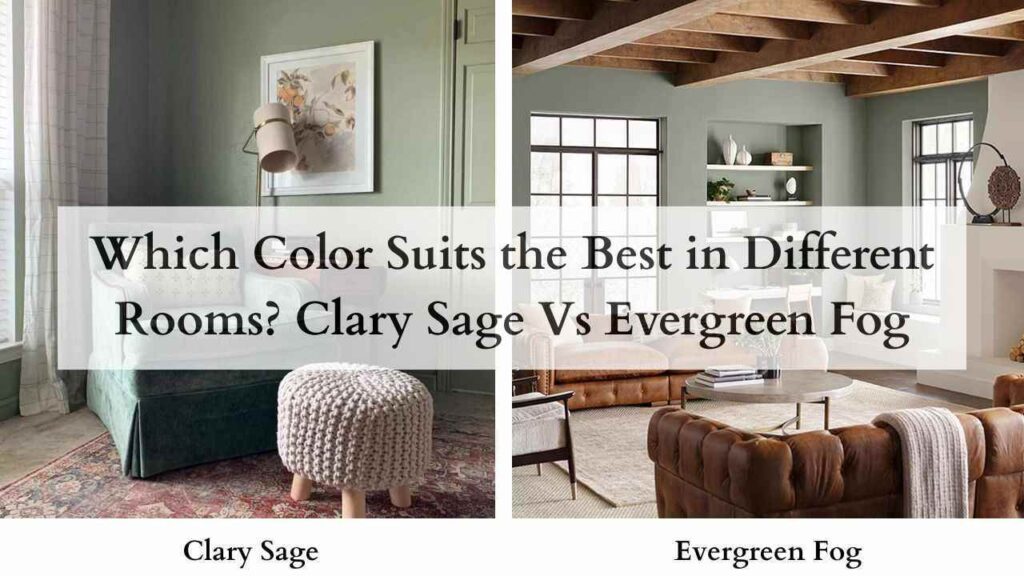
Picking between Clary Sage Vs Evergreen Fog for the room is a skill and feeling.
I’ve learned that the “rules” are like suggestions, but there are patterns in what works and what will look flat.
Let me walk you through how Clary sage Vs Evergreen fog goes in different spaces.
Living Room
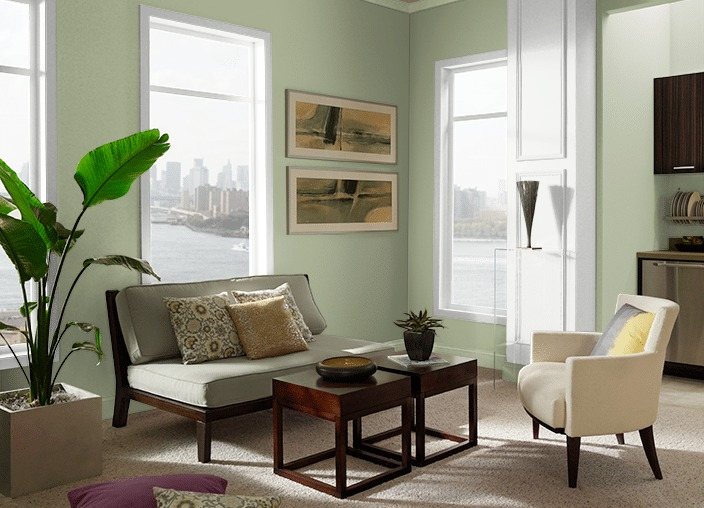
Clary Sage in a living room creates a grounded, collected feeling that makes the space feel like it’s been designed.
It’s got depth to feel intentional but not that it overwhelms your furniture and decor.
I love it in living rooms that are transitional or have traditional elements.
The impact is subtle but real, the living room feels cozy, intimate, and finished.
It’s the kind of color that makes people walk in and feel comfortable.
The warmth invites you to use the space instead of treating it like a museum.
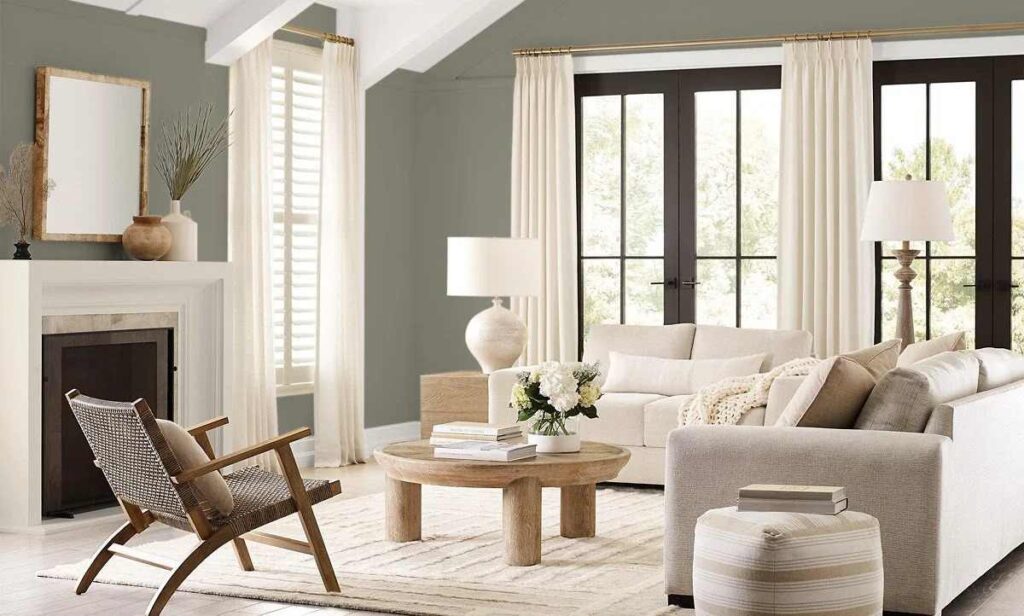
Evergreen Fog in the living room opens everything up.
It reflects light, makes the space feel big, and has a chic vibe that works beautifully in modern or contemporary settings.
If your living room flows into other spaces, Evergreen Fog is better for the space.
The impact is about airiness and calmness.
Your living room becomes a serene, collected space that feels current and sophisticated.
It’s the color choice that says “I know what I’m doing” without trying hard.
Bedroom
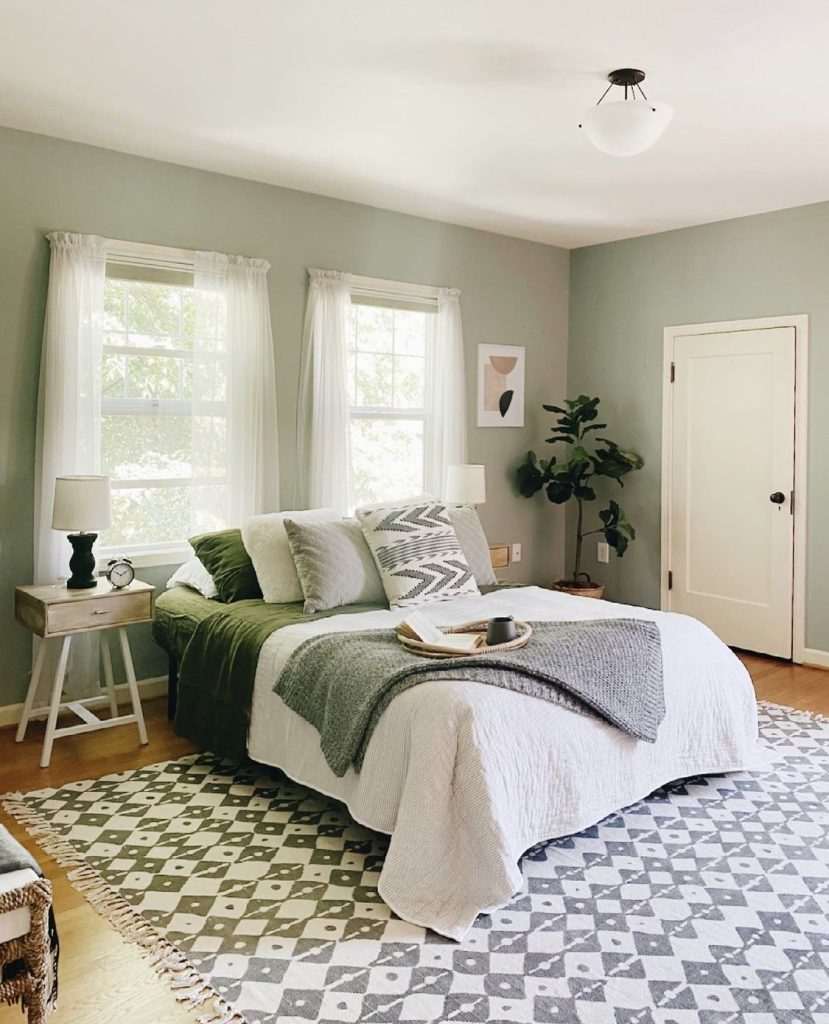
Clary Sage in a bedroom is coziness. The medium depth and warm undertones create a wrapped, restful feeling that makes you want to go to bed.
It’s deep enough to feel intimate but not dark that it’s depressing.
The impact on the room is immediate like everything feels settled and calm.
I’ve used Clary Sage in primary bedrooms, guest rooms, and kids’ rooms.
The one thing to remember is small bedrooms with limited light feel cave-like with Clary Sage.
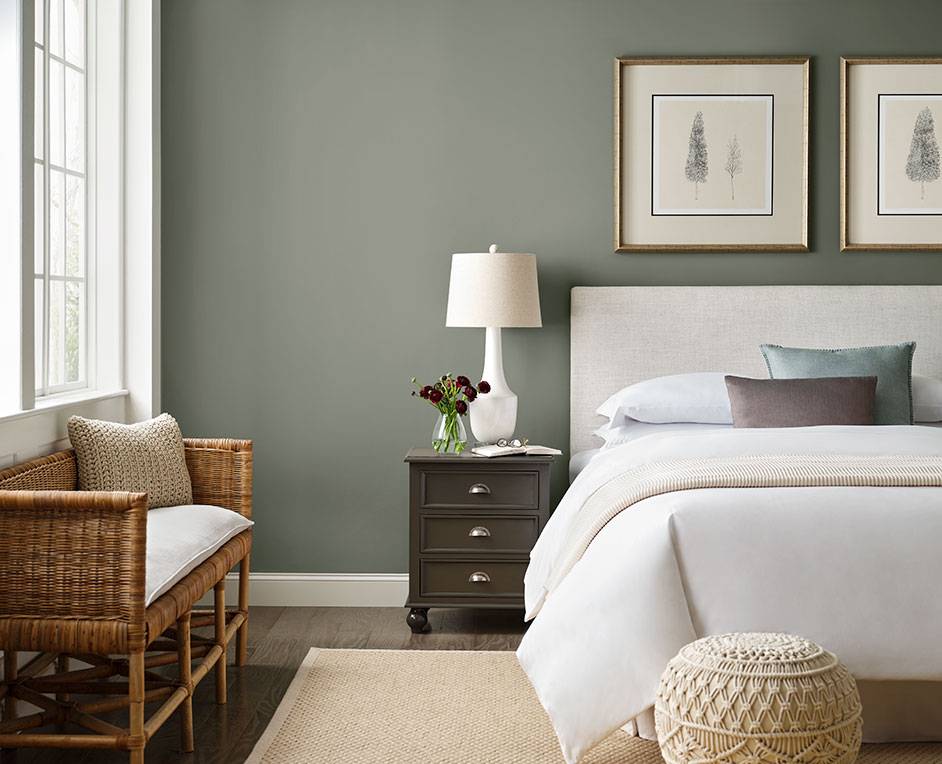
Evergreen Fog in a bedroom gives you a boutique hotel feeling which is serene, clean, and sophisticated.
It’s light and cool, which some people love for sleeping spaces.
I like Evergreen Fog in bedrooms that get good morning light because you wake up to that fresh, airy feeling instead of dark and cozy.
The impact is energizing and less cocooning. Your bedroom feels pulled together and modern, like you hired someone to design it.
Works well in primary suites with good light, and I’ve done many accent walls in Evergreen Fog behind the bed that turned out well.
Bathroom
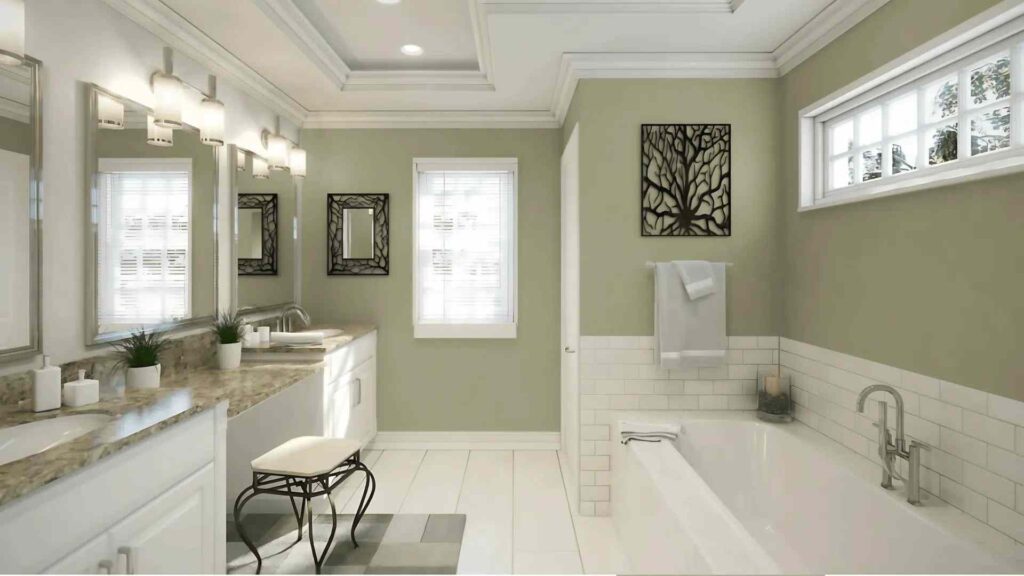
Clary Sage in a bathroom can go one of two ways, if you’ve got a decent-sized bathroom with some natural light, it creates a spa-like, organic feeling that’s lovely.
The green undertones work in spaces where you’re trying to relax and unwind.
But in small, dark bathrooms, Clary Sage can feel oppressive.
The color deepens up in low light, the space feels small, and your bathroom feels like a dim closet.
If you’re set on Clary Sage in a bathroom, make sure you’ve good lighting both natural and artificial.
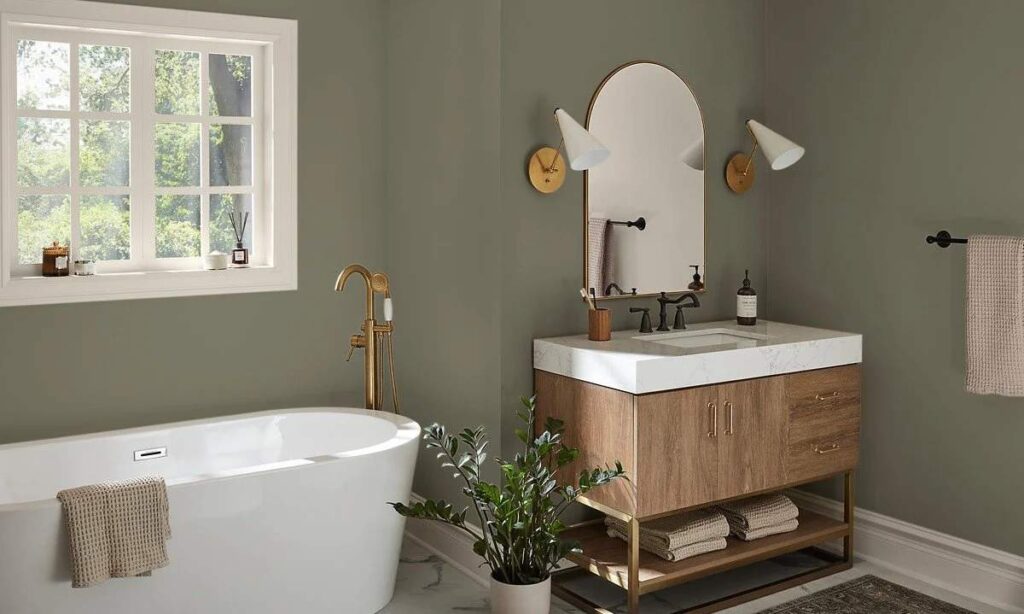
Evergreen Fog in bathrooms is more forgiving.
The high LRV and light tone means small bathrooms feel clean and open.
I’ve used it in powder rooms, full bathrooms, and a primary bath. The cool undertones keep things feeling fresh and clean.
The impact is about making the space feel less cramped and more intentional.
Evergreen Fog with white subway tile or marble is classic and beautiful.
With natural wood vanity, it is modern and organic.
Kitchen
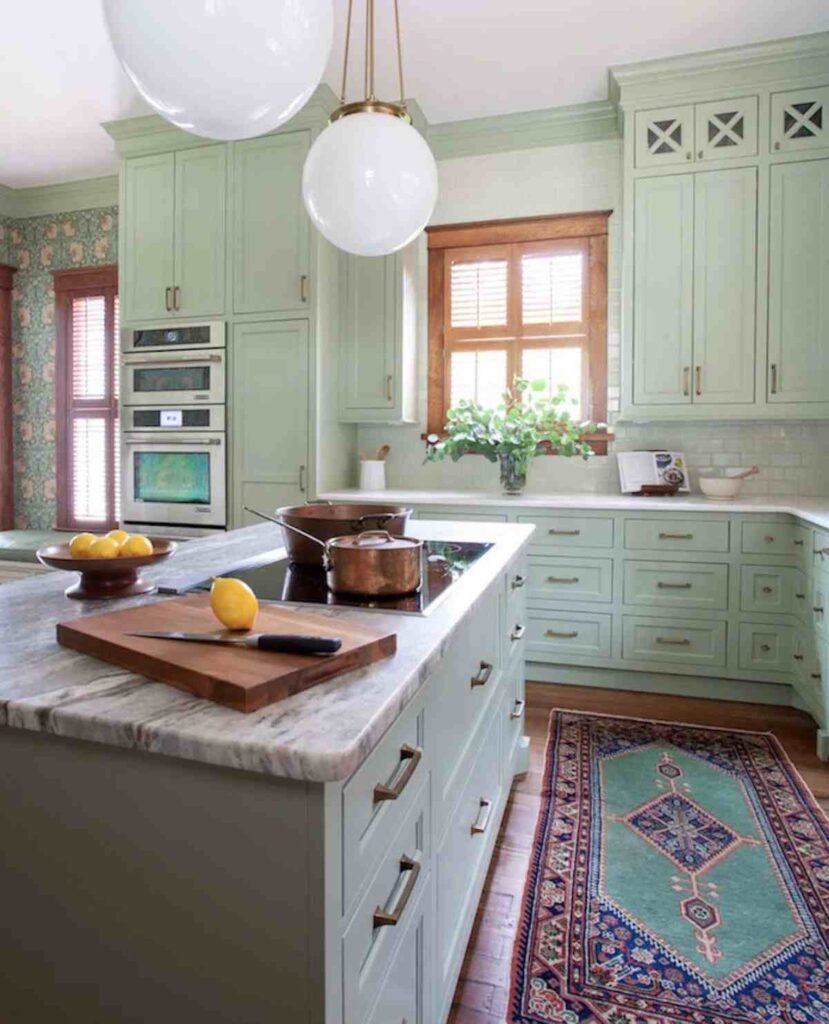
Clary Sage in the kitchen is something I’m seeing and when it works, it works well.
It brings warmth and character without being bold or trendy.
I’ve used it on kitchen walls when the cabinets are white or light wood, and it creates a collected, organic vibe.
The impact on the space is subtle. The warm undertones work well with natural wood, butcher block counters, and warm metals.
One thing to look out for: if your kitchen doesn’t get much natural light, Clary Sage on walls make the space feel dark and small.
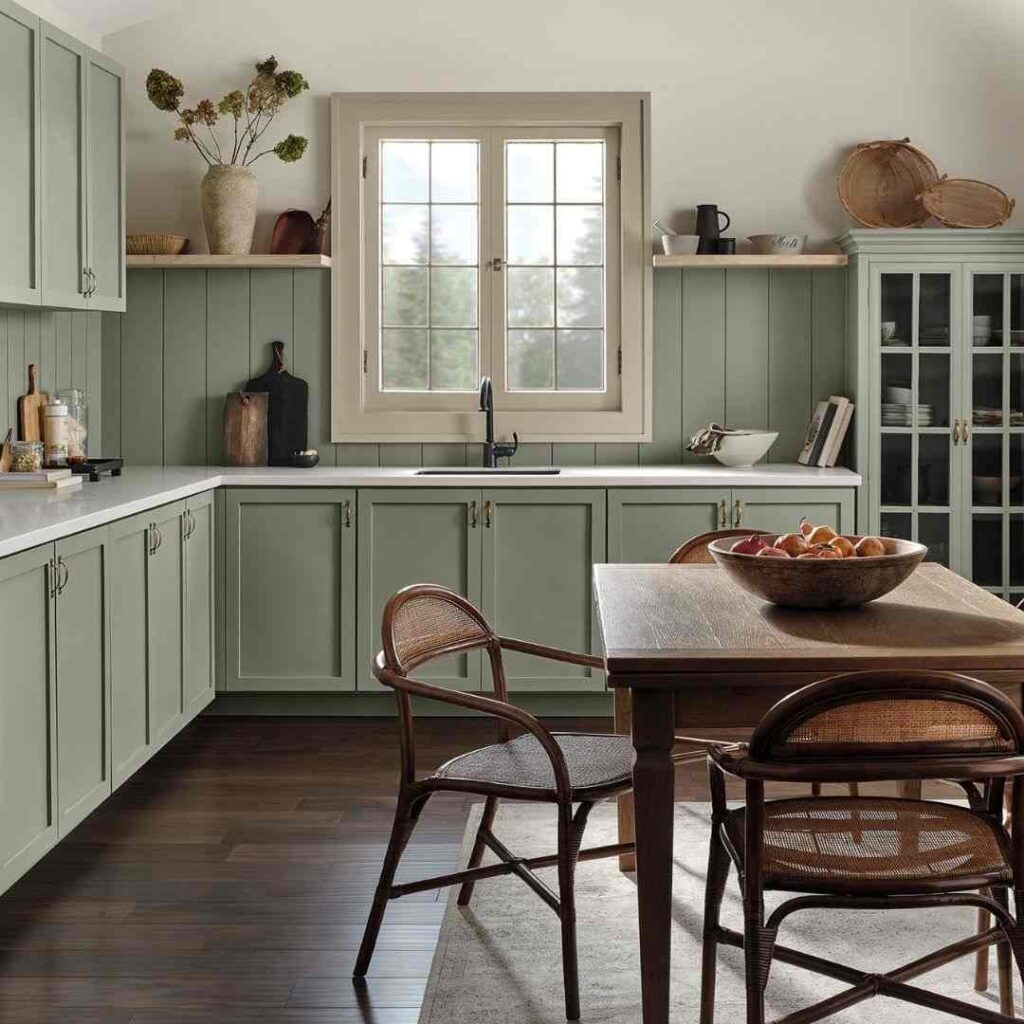
Evergreen Fog in a kitchen creates a different vibe which is more modern, more fresh, lighter and cooler, so it keeps the space feeling open and clean.
I’ve done Evergreen Fog on kitchen walls with white cabinets.
It looks gorgeous on kitchen islands or lower cabinets.
The impact is fresh and contemporary.
Your kitchen feels current without being trendy.
Works well in kitchens with good natural light, and in kitchens without windows, it won’t drag the space down like a dark color.
Pros and Cons of Clary Sage and Evergreen Fog
Let’s be clear about what works and what doesn’t with these colors.
I’ve worked with both many times to know their strengths and weaknesses.
Clary Sage Pros:
- Rich, substantial color that creates depth and coziness
- Warm undertones work well with warm woods and metals
- True sage green that looks green
- Versatile across traditional, transitional, and modern styles
- Creates intimate, inviting spaces
- Saturated and impactful than many neutrals
Clary Sage Cons:
- Can feel too dark in small or low-light spaces
- Might read as muddy or dull in north-facing rooms
- Requires careful coordination with cool-toned materials
- Not as trendy or “of the moment” as cool greens
- Can look outdated if paired with wrong whites or wood tones
Evergreen Fog Pros:
- Light and airy
- Versatile and works with many modern design styles
- High LRV means it’s forgiving in various lighting
- Cool undertones pair well with contemporary materials
- Named Color of the Year so it’s having a major moment
- Works well in both large and small spaces
Evergreen Fog Cons:
- Can read as more gray than green
- Cool undertones may feel cold or sterile in some spaces
- Blue undertone can be surprising
- Might feel trendy and outdate
- Doesn’t create as much depth or coziness as warmer options
- Can look washed out in very bright, direct light
Which One to Choose Between Clary Sage and Evergreen Fog?
So after all that, which one should you pick? So, it depends.
Choose Clary Sage if:
- You want a warm, cozy feeling
- Your room has medium to bright natural light
- You’re working with warm woods, brass fixtures, and traditional or transitional style
- You want a color with depth and presence
- You’re okay with an intimate, wrapped feeling
- Your space is large to handle a deep color
Choose Evergreen Fog if:
- You want a light, airy aesthetic
- Your room is small or has limited natural light
- You’re going for modern or contemporary style
- You love cool metals like nickel, chrome, or matte black
- You want your space to feel big and open
- You’re working with an open floor plan where you need a color that flows well
Here’s what I do when I’m stuck between these two: I get samples of both and paint them on poster boards.
Then I move the boards around the room and look at them at different times of day.
Conclusion
Both Clary Sage and Evergreen Fog are gorgeous, versatile sage greens that bring something special to a space.
Clary Sage gives warmth, depth, and that traditional sage feeling with a modern edge.
Evergreen Fog gives airiness, sophistication, and the cool vibe.
The key is understanding what your space needs.
Consider the natural light situation, think about whether you want your space to feel cozy or open, and your design style.
I’ve used both colors many times, and I keep coming back to them because they’re just that good.
They’re also forgiving compared to some colors.
Comparing Clary sage Vs Evergreen fog can be a bit confusing but it’ll give the space a fine look which will be airy and light.
FAQs on Clary Sage Vs Evergreen Fog
What is the difference between clary sage and evergreen fog?
Is evergreen fog too dark?
When should you not use clary sage?
What is a good alternative to evergreen fog?