

Not all blacks are pure black, some are warm and others are cool.
A few may look navy or brown depending on the lighting.
And if you’ve been looking at paint swatches to figure out the difference between Tricorn Black vs Black Magic, then everybody does this.
These two Sherwin-Williams colors cause second-guessing than any other blacks.
Tricorn Black and Black Magic are the two commonly compared blacks from Sherwin-Williams because they’re gorgeous, versatile, and at the top of mood boards.
But they’re not interchangeable.
Homeowners and designers get confused between these two because the difference isn’t obvious until you see them in your space.
Here in this post, I’m breaking down everything you need to know about Tricorn Black Vs Black Magic like its LRV, undertones, how lighting changes, where they work best room-by-room, and which one you should pick.
We’ll also compare them to other Sherwin-Williams blacks.
Here are my other blog posts that you can also read:
- Peppercorn Vs Iron Ore
- Manchester Tan Vs Accessible Beige
- Balanced Beige Vs Accessible Beige
- Oyster White Vs Shoji White
- Eider White Vs Alabaster
Tricorn Black Paint Color Summary (SW 6258)
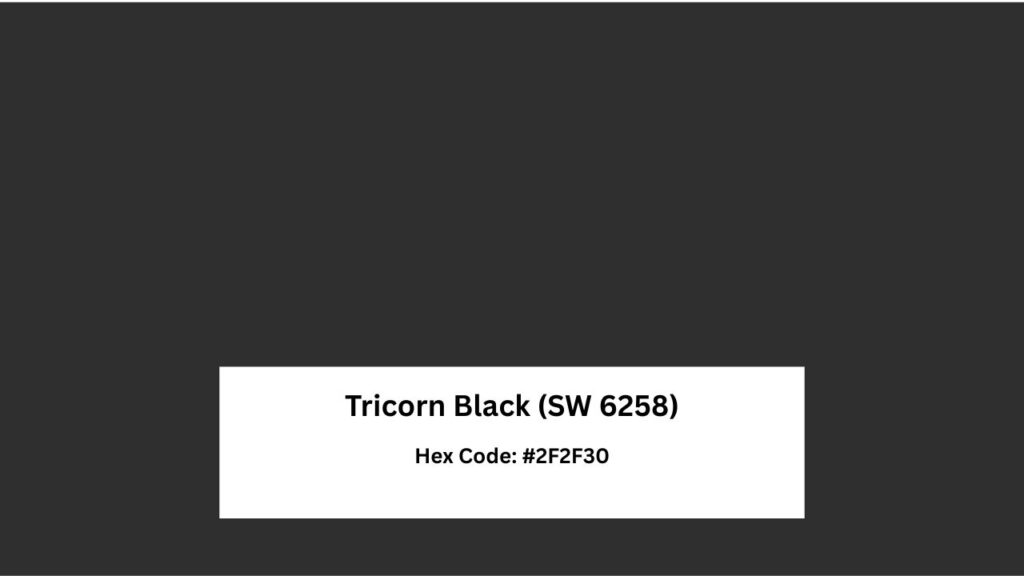
It’s a true, neutral black like there are no visible undertones.
Most blacks have bias, a bit blue or brown. It shows as a flat, clean black that holds its color across different lighting conditions and doesn’t shift into other territory when the sun moves.
Sherwin-Williams calls it a “pure black,” and they’re not overselling it.
This is the black you choose when you want maximum contrast and bold definition.
It’s popular in modern, transitional, and contemporary spaces both interior and exterior because it works.
The LRV (Light Reflectance Value) is 3, which means it absorbs all the light which is dark.
But it’s a controlled dark, it doesn’t muddy up or start looking like charcoal when natural light comes in.
Black Magic Paint Color Summary (SW 6991)
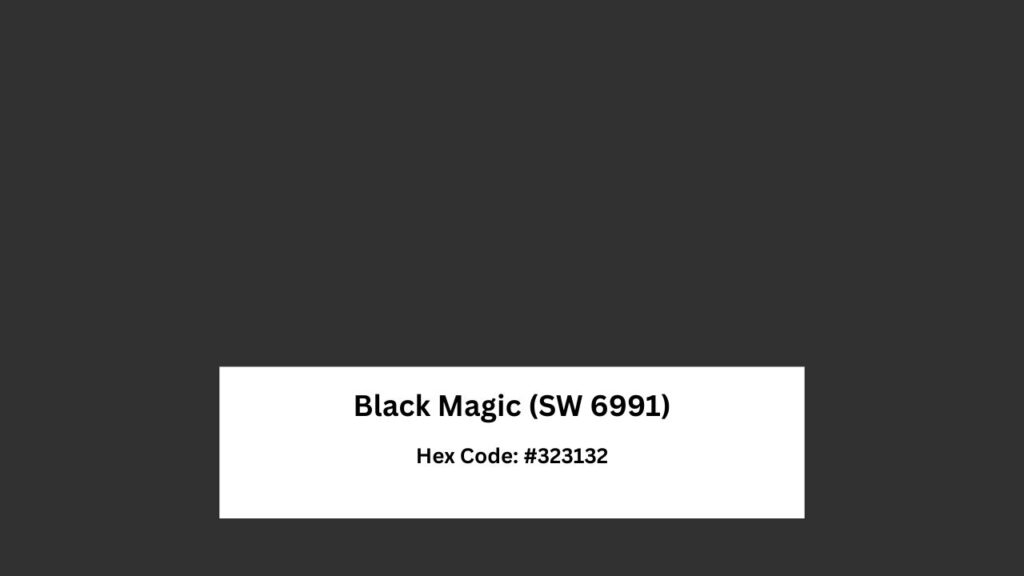
It’s a deep black, but it’s got a warm feel that shows depending on your light source.
In some spaces, you’ll catch subtle soft brown or charcoal warmth.
It’s not aggressive about it but enough to soften the edge and make the color feel less stark than Tricorn Black.
Black Magic feels slightly less intense, more approachable.
Where Tricorn Black makes a bold statement, Black Magic whispers it with nuance.
It’s absolutely a black, but it’s the kind of black that plays well with warm palettes, wood tones, brass fixtures, and cream-colored trim.
I tend to recommend Black Magic when someone wants the richness of black but their space already has warm undertones like oak floors, warm gray walls in adjacent rooms, or gold-toned lighting.
It fits into the environments without going against each other or creating the sterile contrast.
The LRV is at 4, which is one point higher than Tricorn Black.
It reflects the hair more lightly. Same as Tricorn Black, it’s used in modern, transitional, and contemporary designs. Living rooms, bathrooms, bedrooms.
What is The Difference Between Tricorn Black and Black Magic? (Side-By-Side Comparison)
Both are black. Both are Sherwin-Williams.
Both will make your space look gorgeous if used right.
But they’re not the same black, and choosing wrong can look off your whole design.
LRV
Tricorn Black has an LRV of 3. Black Magic has an LRV of 4.
LRV measures how light a color reflects on a scale from 0 (pure black, absorbs everything) to 100 (pure white, reflects everything).
So Black Magic reflects more light.
The difference isn’t about brightness.
It’s about how that small shift affects undertones and mood.
Tricorn Black, being lower, holds onto that pure black appearance stubbornly.
Undertones
Tricorn Black: neutral. No undertones. It doesn’t lean warm or cool, doesn’t pull blue or brown.
It’s black no matter what you put next to it, no matter what time of day it is.
The neutrality makes it versatile but means it can feel bright.
Black Magic: warm undertones. You’ll see subtle charcoal and soft brown warmth depending on lighting but if you stare at it next to Tricorn Black, you’ll see it.
That warmth makes it pair better with creams, beiges, wood finishes, and gold/brass hardware.
Lighting Appearance
Tricorn Black is stable. Morning light, afternoon light, evening light, north-facing room, south-facing room, it stays black.
The intensity may shift, but the color doesn’t morph into something unrecognizable.
Black Magic is reactive. In bright natural light, the warm undertones become visible.
You’ll see the brown or charcoal hints surface. In low light or evening conditions, it sinks back into a deep black.
Here’s the thing: if your room gets tons of southern or western light, Black Magic might feel soft and organic.
If you’re dealing with north light , Tricorn Black will feel intentional.
Depth and Saturation
But Tricorn Black feels dense. It’s saturated, committed to being fully black.
When you use it, you’re going all-in. The density creates sharp contrast, clean lines, and that modern edge.
Black Magic has depth too, but with movement. The saturation isn’t as intense because of the undertones playing in the background.
It is black from a distance, but up close, there’s more going on.
Style and Best Uses
Tricorn Black thrives with bright white trim, Pure White (SW 7005), Extra White (SW 7006), High Reflective White (SW 7757).
It pairs well with cool grays and silver or chrome hardware.
If you’re doing matte black cabinetry with stainless steel pulls then go with Tricorn Black.
The modern front door with a sleek chrome handle goes with Tricorn Black.
Black Magic wants warm companions. Go with Alabaster (SW 7008), Incredible White (SW 7028), or soft greiges.
Brass hardware, gold fixtures, aged bronze, looks better with Black Magic because the warmth ties together.
If you’re using it on kitchen cabinets, pair it with butcher block countertops or warm-toned quartz.
| Feature | Tricorn Black (SW 6258) | Black Magic (SW 6991) |
| LRV | 3 | 4 |
| Undertones | None, neutral black | Warm (charcoal, soft brown) |
| Lighting Behavior | Stable, stays black | Undertones surface in bright light |
| Best Pairings | Cool whites, grays, chrome | Warm whites, creams, brass/gold |
| Style | Modern, bright, high contrast | Warm, layered, approachable |
| Best For | Contemporary spaces, clean lines | Transitional spaces, warm palettes |
Tricorn Black Vs Black Magic (Room-By-Room Suitability)
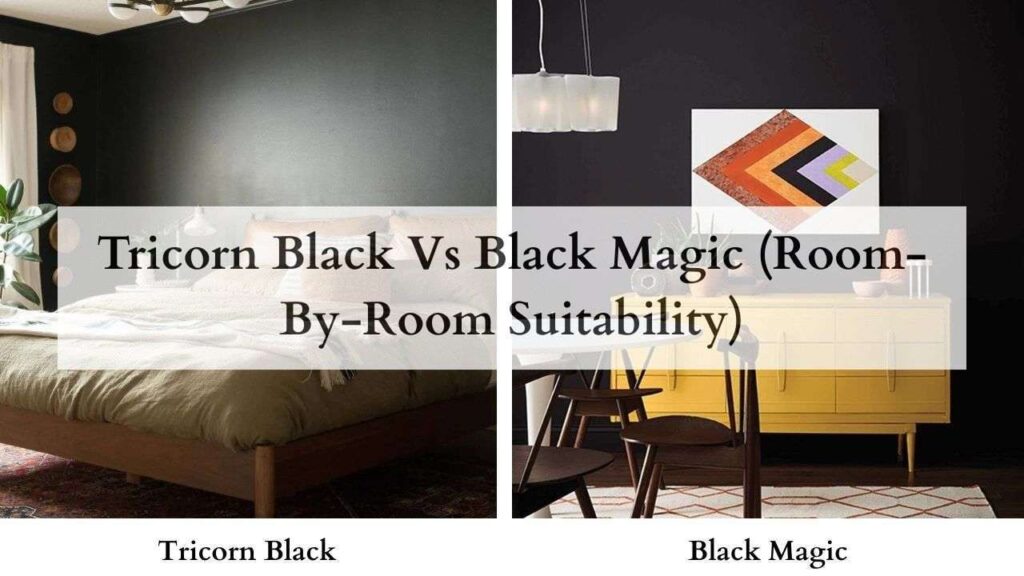
Where you use these colors matters as much as which one you pick.
Black isn’t one-size-fits-all. Some rooms can handle the intensity. Others will feel like a cave.
Let’s walk through the main spaces and talk about what works.
Living Room

Tricorn Black in a living room makes a statement.
If you’re doing an accent wall behind a media console or fireplace, this is your color.
It creates a gallery-wall effect, makes artwork pop, and gives the room sophistication.
I’ve used it in open-concept living rooms where we needed to define the space without building walls.
You need natural light or the room will feel cramped.
South or west-facing windows help.
Also, balance it with light furniture and white or light gray.
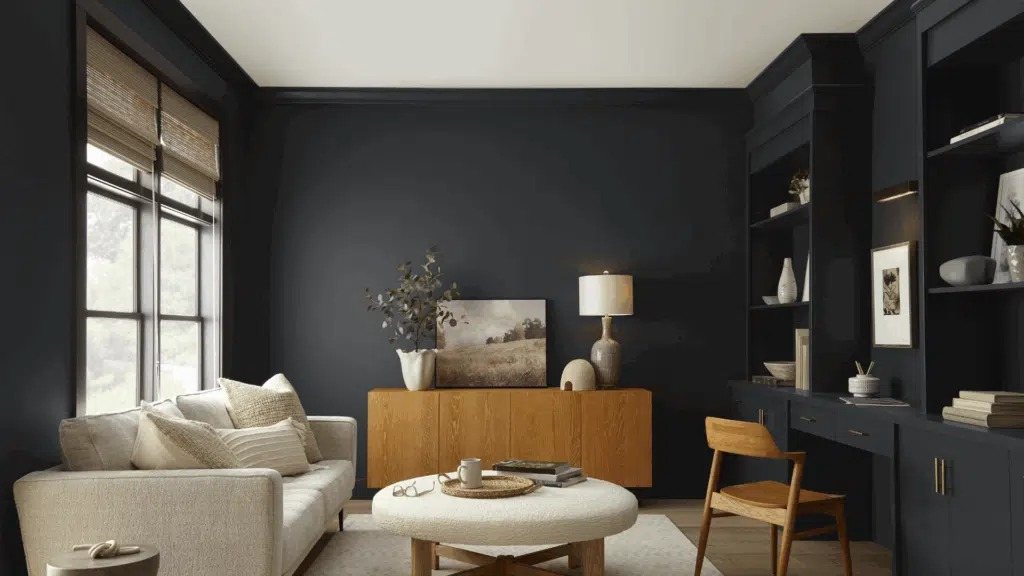
Black Magic works when your living room has warm tones.
If you’ve got a brown leather sofa, wood coffee table, warm-toned rug then Black Magic ties it all together without feeling cold.
The warmth keeps the space feeling cozy instead of bright.
Bedroom

Tricorn Black in a bedroom is bold. I’ve done it on accent walls behind the bed, and when it works, it’s stunning.
Pair it with white bedding, light wood nightstands, and warm lighting.
It works best in large bedrooms with good light during the day.
In small, dark bedrooms, it can feel oppressive.

Black Magic is the safe bet for bedrooms, if you’re going moody and cozy.
The warmth makes the space feel enveloping rather than harsh.
I’ve used it in primary bedrooms where clients wanted a luxe, intimate vibe.
Add velvet bedding, brass sconces, warm wood tones.
Bathroom
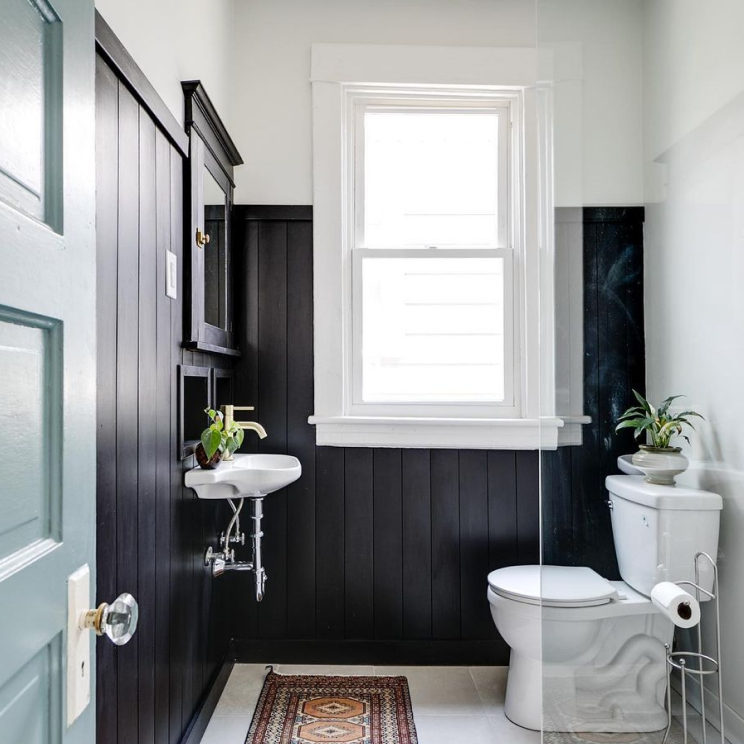
Tricorn Black in bathrooms creates luxury. Matte finish on the walls, white subway tile, chrome fixtures is classic.
I’ve also done it in powder rooms where you can push the drama since people are only in there.
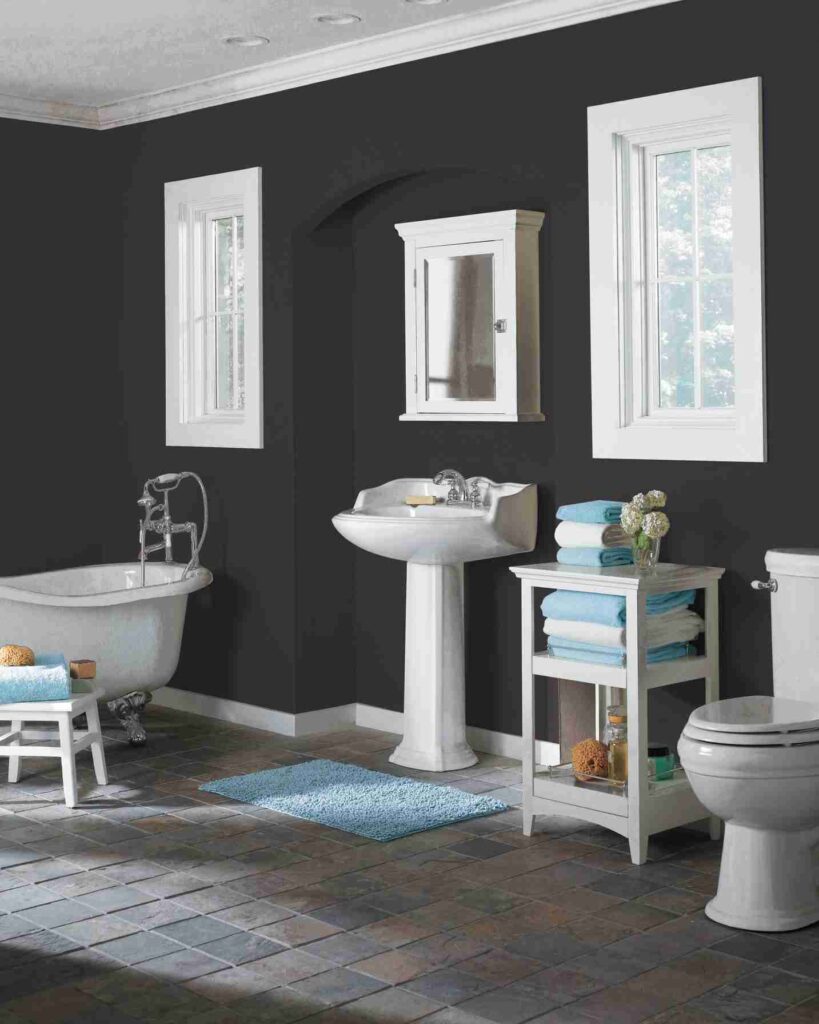
Black Magic in a bathroom works when you’ve got warm finishes like brass faucets, gold mirrors, wood vanities.
The undertones tie into the finishes and make everything feel cohesive.
I’ve used it in primary bathrooms with marble that has warm veining.
Kitchen
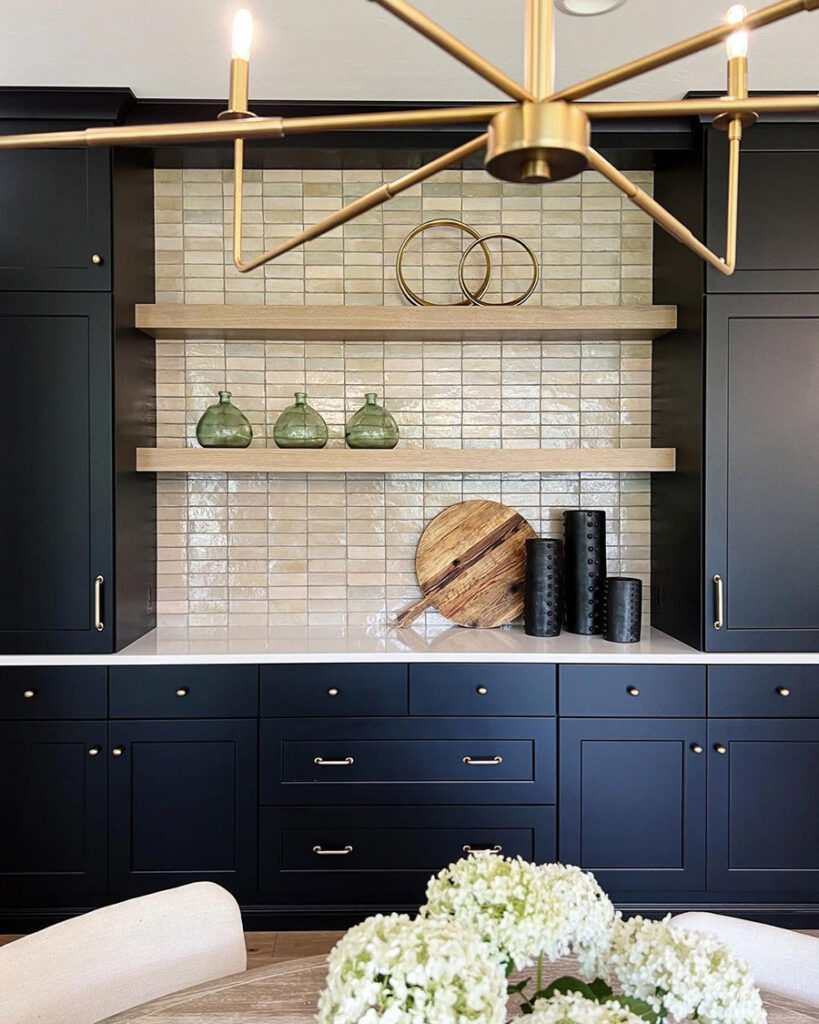
Tricorn Black cabinets are in modern kitchens. Lower cabinets in Tricorn Black, upper cabinets in white or glass-front.
It works with white quartz countertops, stainless appliances, and subway tile backsplashes.
The key is balance.
Too much Tricorn Black and your kitchen feels like a cave.
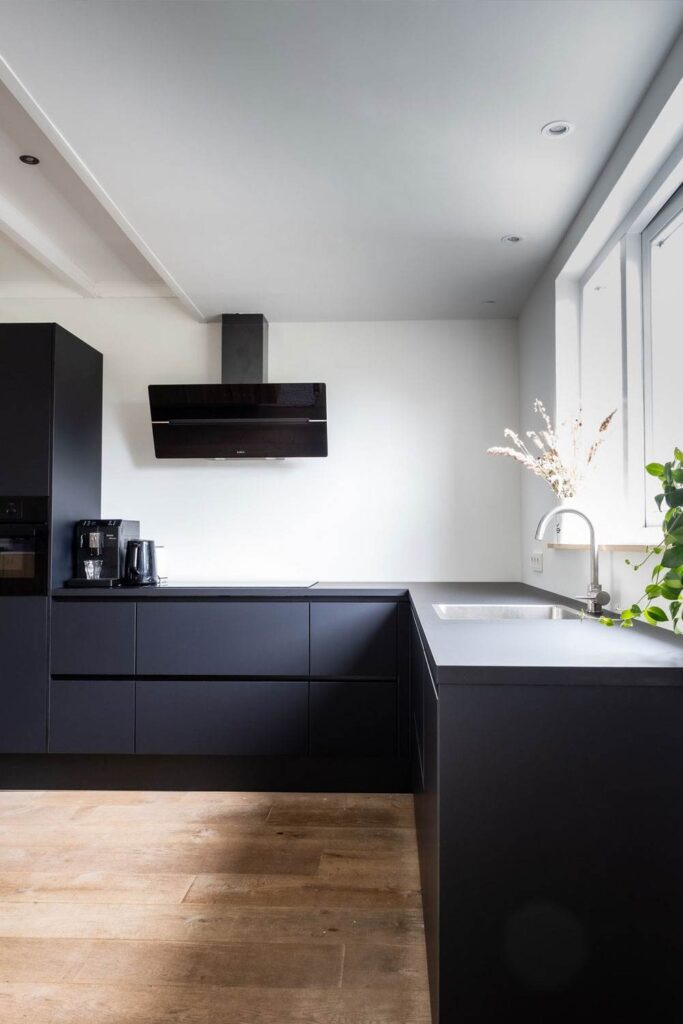
Black Magic cabinets feel softer, which can be good or bad depending on what you’re after.
If you’re pairing with butcher block counters, warm wood floors, or brass cabinet pulls, Black Magic fits better.
It has few statements and has a grounding element.
Exterior
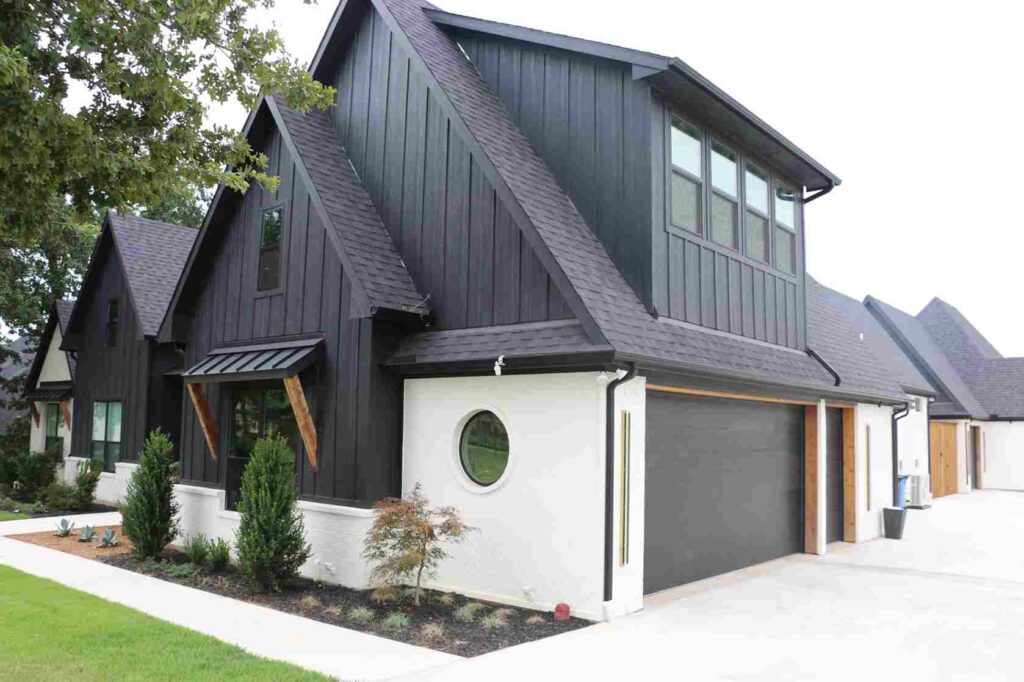
Tricorn Black on a front door is classic. It works on traditional homes, modern homes, farmhouse styles.
It’s an appealing black that never looks outdated.
Pair it with nickel or chrome hardware.
I’ve also used it on exterior trim and shutters with light siding and it creates beautiful contrast.
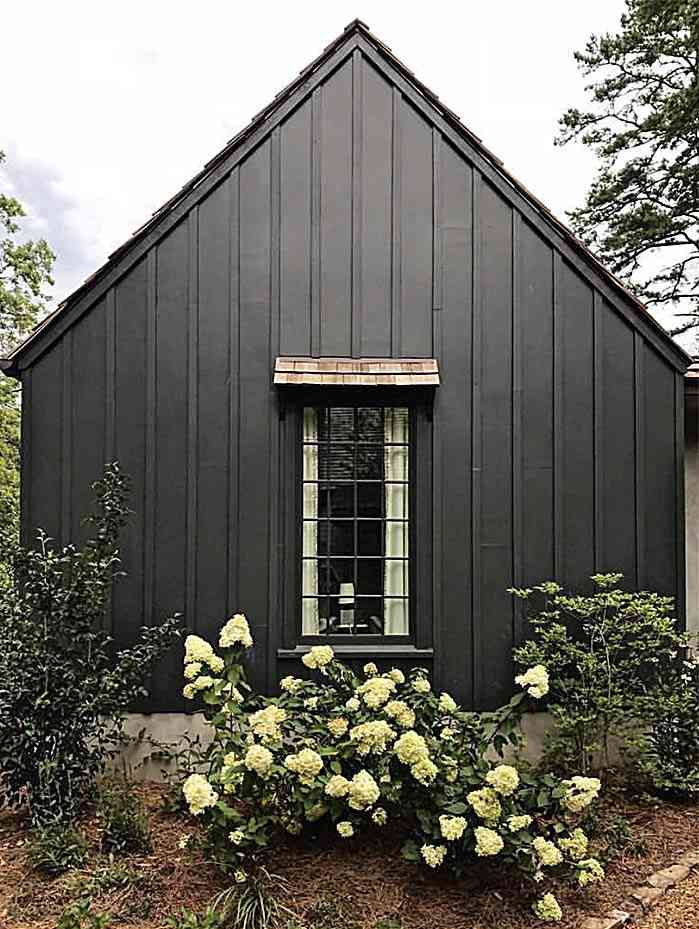
Black Magic on exteriors is great when your home has warmer tones like brick, stone, wood siding.
The warm undertones tie into the materials better than Tricorn Black’s starkness
Both are durable and fade-resistant in quality exterior paint formulations, but always go with a high-quality finish and prep work.
Black shows everything, so surface prep matters.
Tricorn Black Vs Black Magic Vs Other Colors
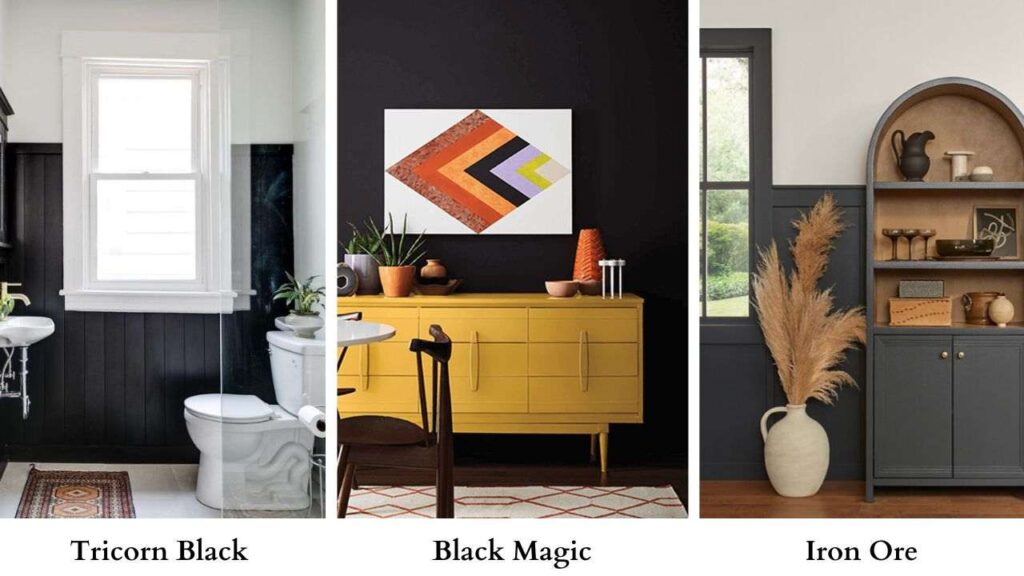
Let’s be real, you’re also looking at a few other blacks and dark colors.
Sherwin-Williams has a bunch, and they all look similar on the swatches.
Here’s how Tricorn Black and Black Magic compare to the other popular options.
Tricorn Black Vs Black Magic Vs Caviar
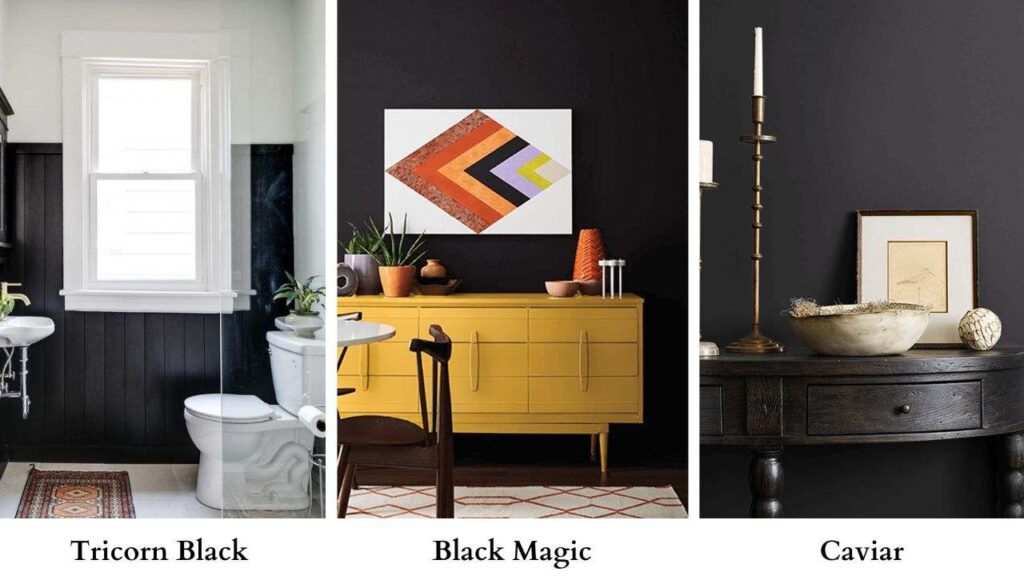
Caviar (SW 6990) is next to Tricorn Black on the paint swatch. It’s also got an LRV of 3, same as Tricorn Black.
Caviar has brown undertones. In some lights, it can be brown instead of black.
If you want a soft, earthy black, Caviar delivers.
But it’s less versatile than Tricorn Black because the brown notes can clash with cool palettes.
Tricorn Black Vs Caviar
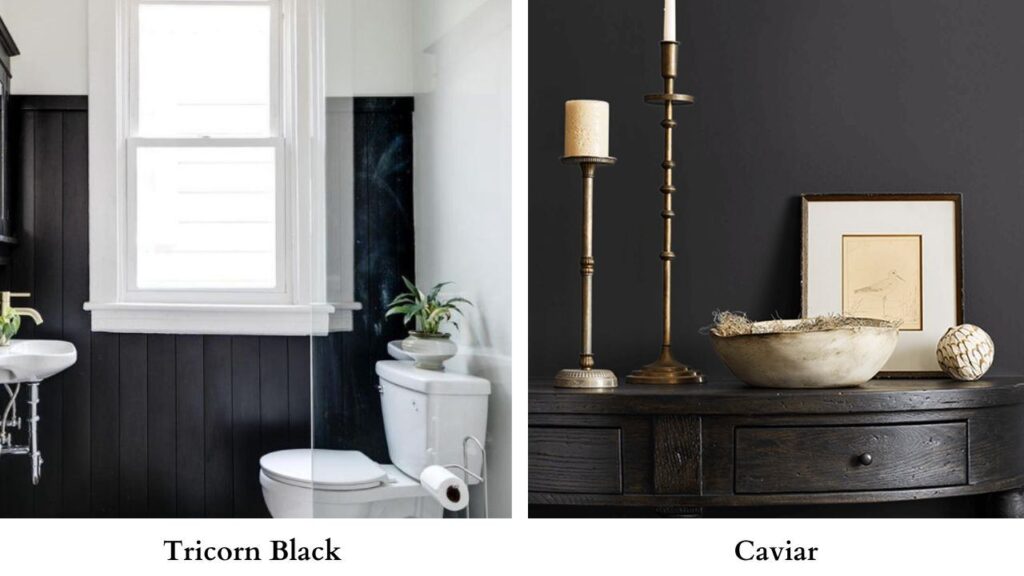
Tricorn Black is the safe, versatile choice. Caviar can be beautiful in the right space like spaces with natural wood, leather, warm browns.
You need to commit to that warmth.
Tricorn Black Vs Iron Ore

Iron Ore (SW 7069) is softer than both Tricorn Black and Black Magic.
It’s a charcoal with an LRV of 6.
Iron Ore has subtle green undertones that make it less intense than a true black.
It’s great when you want depth without commitment. I use Iron Ore on exteriors.
Tricorn Black Vs Peppercorn
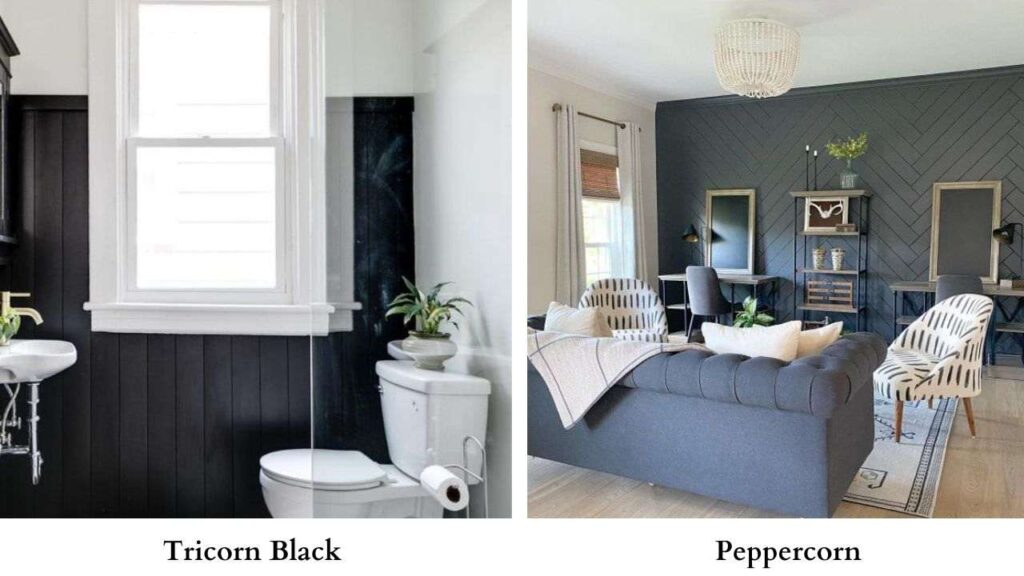
Peppercorn (SW 7674) is lighter than Iron Ore LRV around 9 and is a dark charcoal gray more than black.
It’s popular because it gives you a dark, moody vibe without the intensity of black.
Peppercorn has warm undertones, so it works in spaces where Black Magic feels dark.
I recommend Peppercorn to clients who love the idea of black but panic when they see it on the wall.
But if you’re here reading about Tricorn Black vs Black Magic, you want the real thing, not the gateway drug.
| Color | LRV | Undertones | Best Use |
| Tricorn Black (SW 6258) | 3 | Neutral, none | True black for modern spaces |
| Black Magic (SW 6991) | 4 | Warm (brown, charcoal) | Warm, approachable black |
| Caviar (SW 6990) | 3 | Brown | Earthy spaces with warm palettes |
| Iron Ore (SW 7069) | 6 | Greenish gray | Soft alternative, great for exteriors |
| Peppercorn (SW 7674) | 9 | Warm gray | Safe dark gray, not true black |
Which One Color to Go With Between Tricorn Black and Black Magic?
If your space has cool tones, bright whites, modern finishes, chrome or stainless hardware, go with Tricorn Black.
It’s the clean, neutral black Sherwin-Williams makes.
It’s also stable across different lighting, which matters if you stress about how colors shift throughout the day.
If your space has warm tones, cream or beige walls, wood finishes, brass or gold hardware, go with Black Magic.
The subtle warmth will tie into what you have and make the space feel cohesive.
Conclusion
Tricorn Black and Black Magic are both best blacks, but they’re not interchangeable.
Tricorn Black is true neutral black and there are no undertones, maximum contrast, stable across lighting. It’s modern, bright, and works with cool palettes.
Black Magic brings warmth, subtle charcoal and brown undertones which softens the intensity and pair well with warm palettes, wood tones, and brass finishes.
The decision comes down to the existing colors and finishes in your space.
Match the undertones, test samples in your lighting, and you’ll end up with a black that feels intentional.
Comparing Tricorn Black Vs Black Magic is not difficult and not confusing but considering before going with it is a must.
FAQs on Tricorn Black Vs Black Magic
Is tricorn black or black magic darker?
What is the difference between Tricorn black and black magic?
What undertone does black magic have?
What is the most popular black from Sherwin-Williams?