

So, BM White Dove vs SW Alabaster, this comparison is common because both are considered off-white from two of the big paint manufacturers which are Benjamin Moore and Sherwin-Williams and they both are incredible.
White Dove (OC-17) brings a soft, light quality while Alabaster brings warmth.
These two warm whites dominate results for a reason.
They look good in modern lofts, traditional colonials, farmhouse kitchens, and transitional space.
Homeowners become confused because the difference is subtle but on the walls it looks different.
Designers love them but for different reasons, which makes the go-for process more complicated.
So here in this post, I’m breaking down about BM White Dove Vs SW Alabaster, undertones, LRV differences, how lighting changes everything, and where each paint works best.
We’ll look at these colors in living rooms, bedrooms, kitchens, bathrooms, and exteriors.
I’ll also compare them with other popular whites.
Here are my other blog posts that you can also read:
- Wrought Iron Vs Iron Ore
- Clary Sage Vs Evergreen Fog
- Woodlawn Blue Vs Palladian Blue
- Manchester Tan Vs Accessible Beige
- Wythe Blue Vs Palladian Blue
About Benjamin Moore White Dove (OC-17)
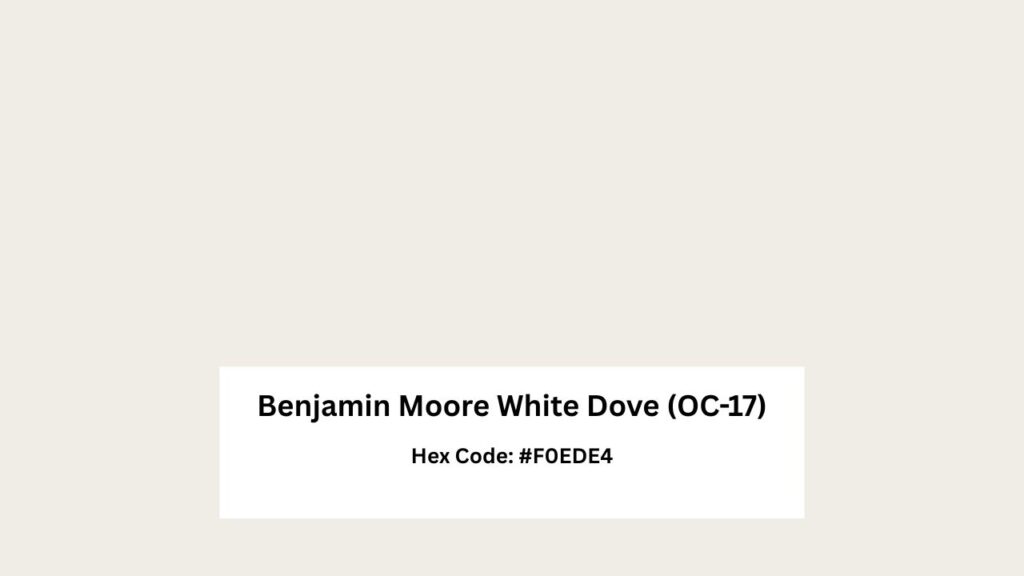
White Dove is an interesting space between warm and neutral.
It’s a soft, creamy white with subtle gray undertones but not gray but enough to keep it from feeling buttery or yellow.
The LRV is 85, which means it reflects light.
The high reflectance keeps rooms feeling bright without the harsh, sterile quality you get from true whites.
In natural light, White Dove looks clean and fresh. It doesn’t shift throughout the day like some whites do.
Artificial lighting is where it gets interesting like under warm bulbs (2700K-3000K), it softens and shows its warm side.
Under cool LED lighting, the subtle gray undertones come up.
I’ve used White Dove on cabinets. Kitchen cabinets, bathroom vanities, built-ins and default white for cabinetry because it coordinates with quartz countertops and stainless appliances.
On walls, it works well in open-concept where you need one color to craetes the flow.
For exterior, White Dove is stunning on trim, front doors, and full exteriors.
It holds up against brick, stone, and siding in a way that feels classic.
Designers suggest this because it’s versatile. It works well with both warm wood tones and cool grays.
It doesn’t go against your finish. In north-facing rooms with cool light, White Dove can turn a bit gray.
About Sherwin Williams Alabaster (SW 7008)
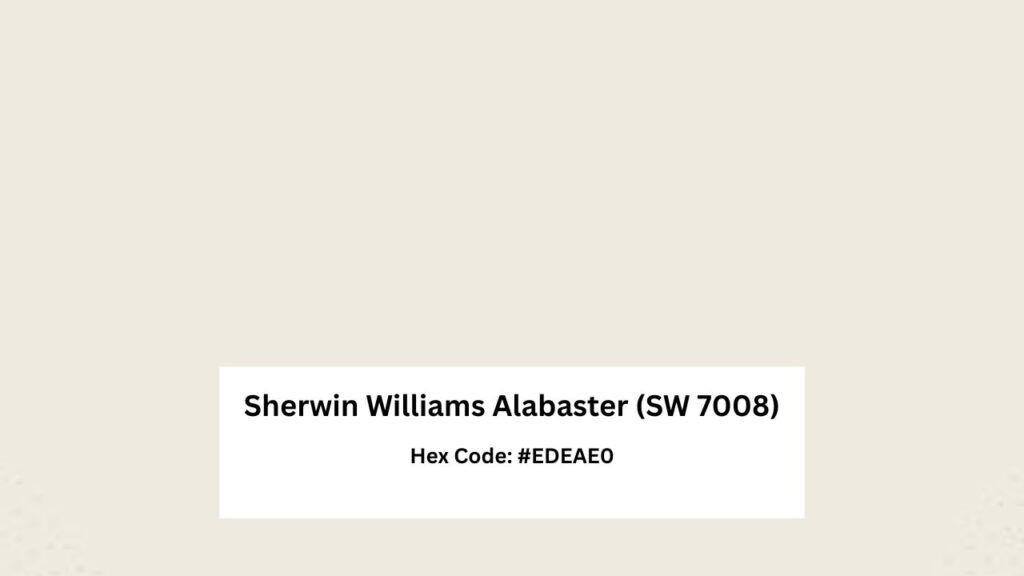
Alabaster is warm. It is a warm white with beige and creamy undertones which gives depth.
The LRV is 82, which is lower than White Dove which means it absorbs light and is deep on the wall.
Alabaster can look off-white or a bit yellow depending on the lighting.
South-facing rooms with warm natural light will make Alabaster glow.
It feels cozy and inviting in a way that makes spaces feel finished and intentional.
But in rooms with warm artificial lighting, the old-school bulbs, it can look yellow.
The appearance is soft. There’s less contrast against warm trim, beige tile, or honey oak floors.
I use Alabaster in traditional homes, farmhouse kitchens, and bedrooms where the goal is warmth and comfort.
On exteriors, Alabaster works well on homes with warm brick, stone, or wood elements.
It doesn’t provide bright contrast but it harmonizes. If your home has travertine, beige stone, or warm stucco, Alabaster feels cohesive.
Difference Between White Dove and Alabaster
These two create different impacts depending on your room’s orientation, existing finishes, and natural light quality.
One isn’t better than the other. They serve different design intentions.
LRV
Light Reflectance Value determines how much light a color reflects back into the room.
It’s measured on a scale from 0 (absolute black) to 100 (pure white).
White Dove: LRV 85
Alabaster: LRV 82
The 3-point difference may not sound like much, but it’s visible.
White Dove feels bright and light on the wall. Alabaster has depth and warmth because it’s absorbing more light.
If you need a room to feel large and airy, White Dove’s high LRV gives you that. If you want warmth and coziness, Alabaster’s low LRV creates a soft, enveloping feel.
Undertones Comparison
Undertones are where the real personality lives.
White Dove has subtle gray undertones with soft warmth.
It’s not too much gray like some cool whites, but there’s enough gray to keep it balanced and versatile.
The greige influence means it is fresh and clean.
Alabaster has creamy, beige undertones with yellow warmth. It’s warm.
That cream-and-beige combination gives it richness that feels traditional and inviting.
Lighting Behaviour
White Dove is stable with different lighting conditions. It holds its color whether you’re looking at it in morning light, afternoon, or evening lamplight.
In north-facing rooms, it can look gray. In south-facing rooms, it brightens and shows its warm side.
Alabaster is reactive to lighting. In rooms with abundant warm natural light, the cream and beige undertones glow.
It can start looking yellow or off-white. Under cool LED lighting or in north-facing rooms, it is warm but with balance.
If the room has mixed lighting like recessed LEDs, table lamps, and natural light from multiple directions then White Dove is what you should consider.
If your room has warm lighting and warm finishes, going with Alabaster is the best.
Style and Best Uses
White Dove works with multiple design styles like modern, transitional, contemporary traditional.
It’s a color that doesn’t keep you into one aesthetic. Use it on walls with bright white trim for fresh contrast.
Use it on trim with greige walls for flow.
Best for:
- Open-concept homes needing one flexible white
- Kitchen and bathroom cabinets
- Spaces mixing warm wood and cool metals
- Rooms with white quartz or marble countertops
Alabaster is a traditional white. It loves warm wood, beige stone, brass fixtures, and spaces where comfort matters.
Best for:
- Homes with warm flooring
- Traditional kitchens with butcher block or beige granite
- Bedrooms designed for coziness
- Exteriors with brick or warm stone
| Aspect | White Dove | Alabaster |
| LRV | 85 | 82 |
| Undertones | Subtle gray, soft warmth | Creamy beige, slight yellow |
| Brightness | Bright, reflective | Soft, depth |
| Warmth Level | Neutral-warm | A bit warm |
| Lighting Stability | Stable | Reactive |
| Best Style Match | Transitional, modern, contemporary | Farmhouse, traditional |
| Trim Pairing | Can be used on both walls and trim | Better on walls with bright trim |
White Dove and Alabaster: How Do They Look in Different Rooms
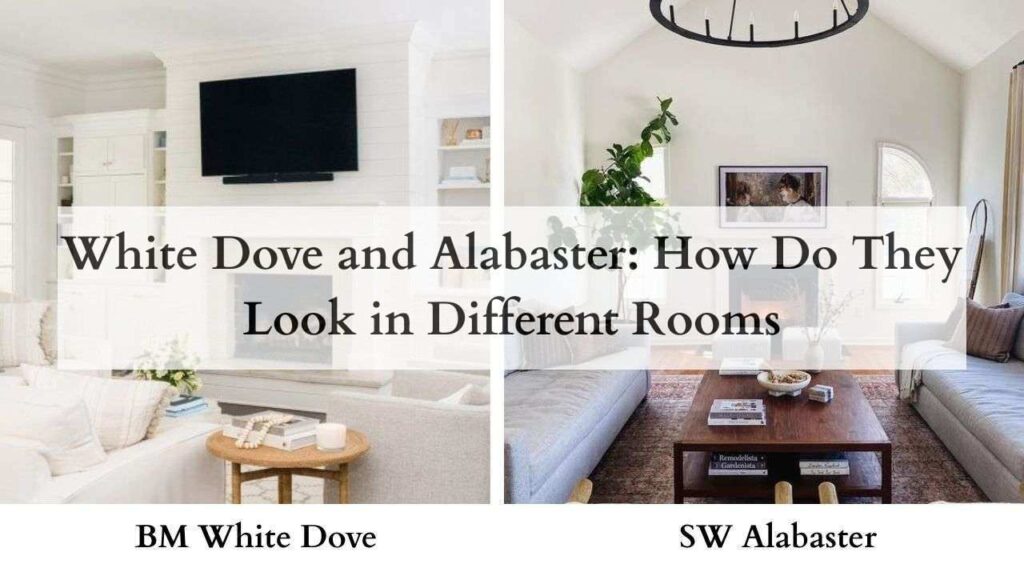
Seeing these colors in spaces and not only on paint swatches will change everything.
Context matters more with whites than with any other color family.
Living Room
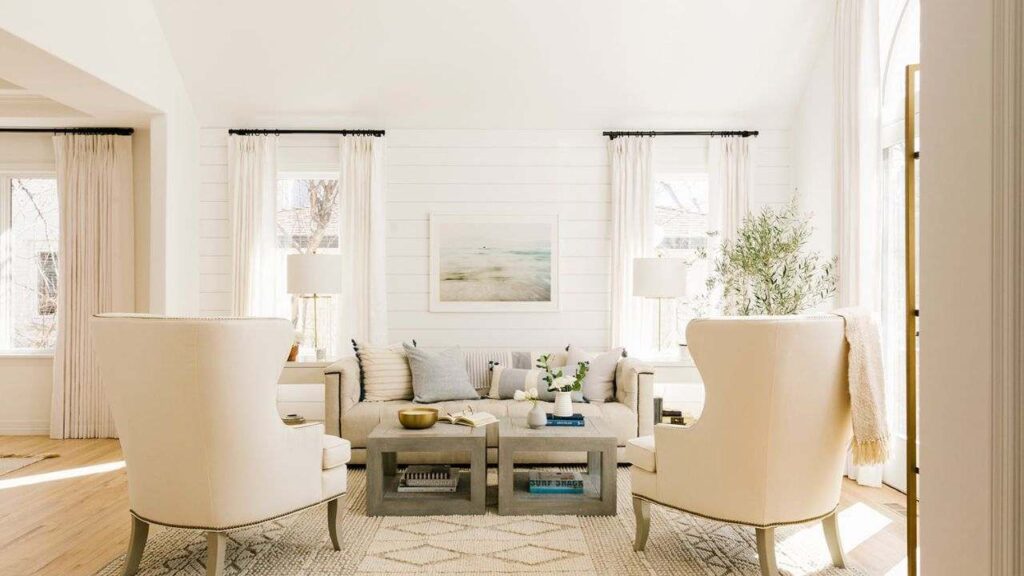
White Dove in the living room feels open and adaptable. It creates a backdrop that lets your furniture and art shine.
If you have large windows and good natural light, White Dove maximizes brightness.
It pairs well with both cool-toned sectionals and warm leather furniture, which gives you flexibility as your style evolves.
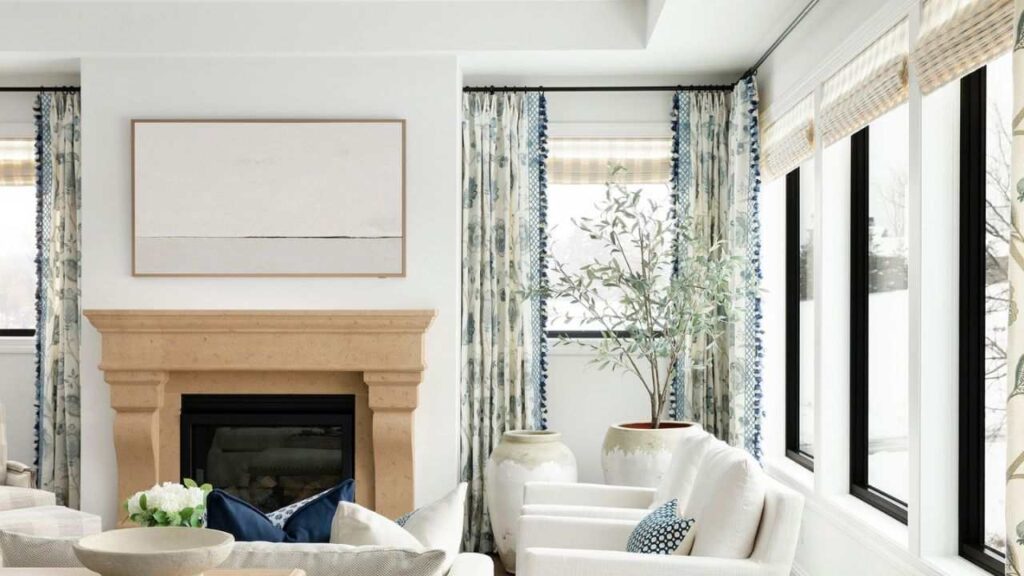
Alabaster in the living room creates warmth and intimacy.
Even in large, open living spaces, Alabaster makes the room feel pulled together and cozy.
If your living room has a fireplace with beige stone or brick, Alabaster harmonizes without creating bright contrast.
It looks best in living rooms with textiles like linen sofas, wool rugs, velvet pillows.
Bedrooms
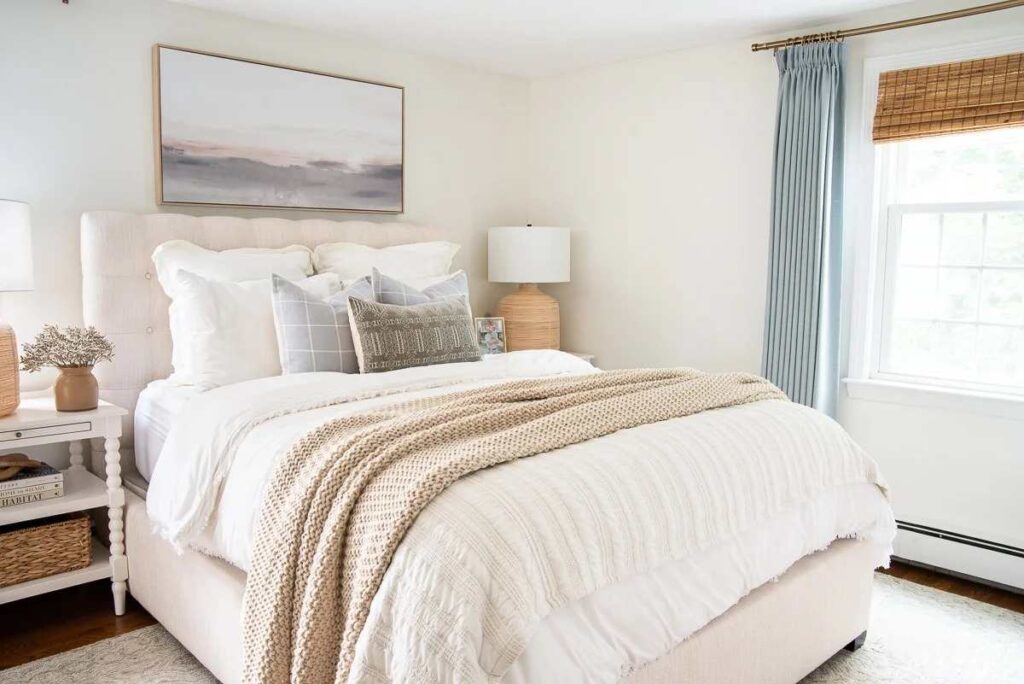
White Dove in a bedroom feels serene and restful.
The subtle gray undertone keeps it from feeling warm or stuffy.
It works well in master bedrooms where you’re pairing it with bright white bedding.
In kids’ rooms, it’s the best neutral base that won’t go against other colors.
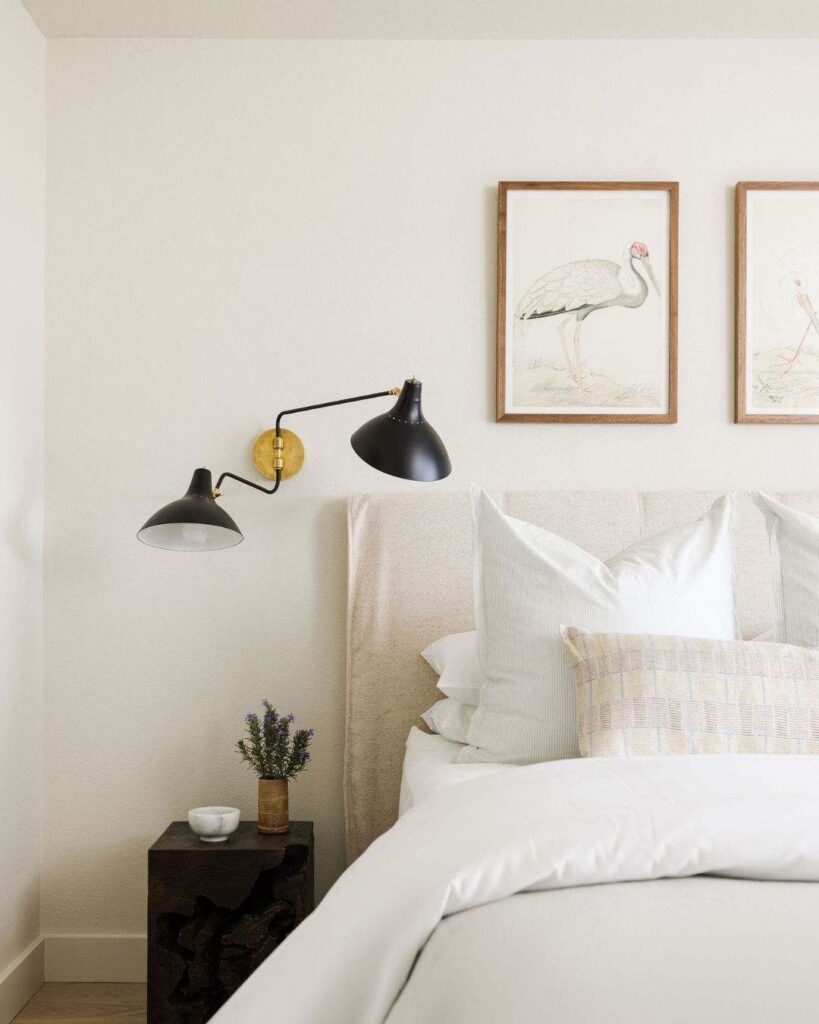
Alabaster in a bedroom is about coziness.
The creamy warmth makes bedrooms feel like retreats. I use this in master bedrooms with wood furniture, warm bedding, and clients who prioritize comfort.
Guest bedrooms too because it makes people feel welcomed and comfortable.
Bathrooms
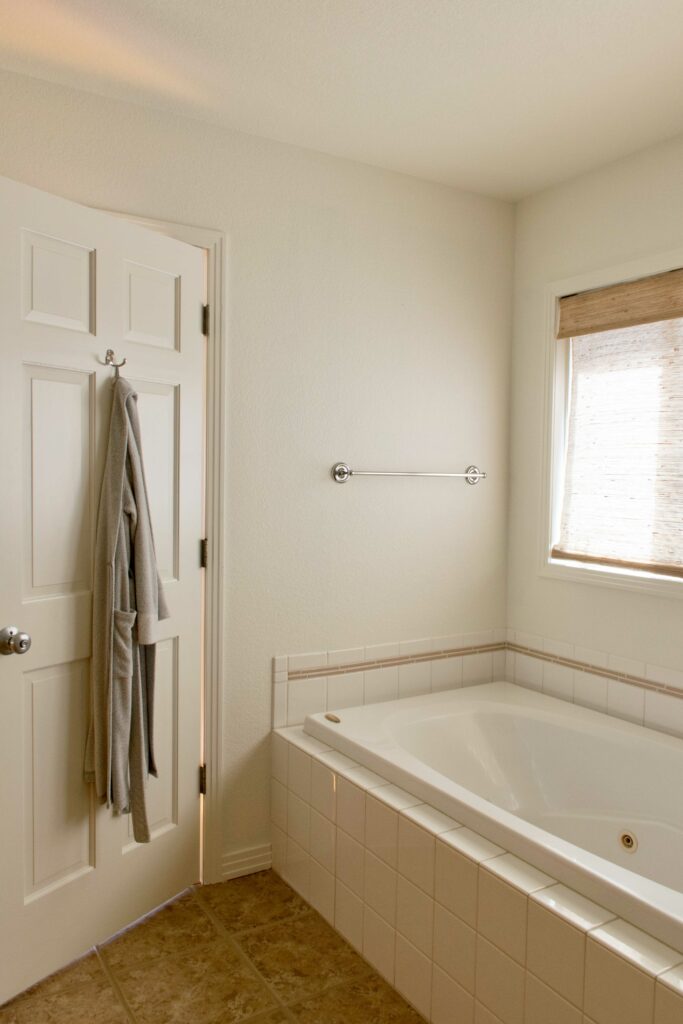
White Dove in bathrooms is fresh and spa-like.
It coordinates well with white subway tile, marble countertops, and chrome or brushed nickel fixtures.
The brightness helps smaller bathrooms feel spacious, and the subtle warmth keeps it from feeling cold.
It’s my go-to for modern bathrooms and spaces where you want a clean, fresh aesthetic.
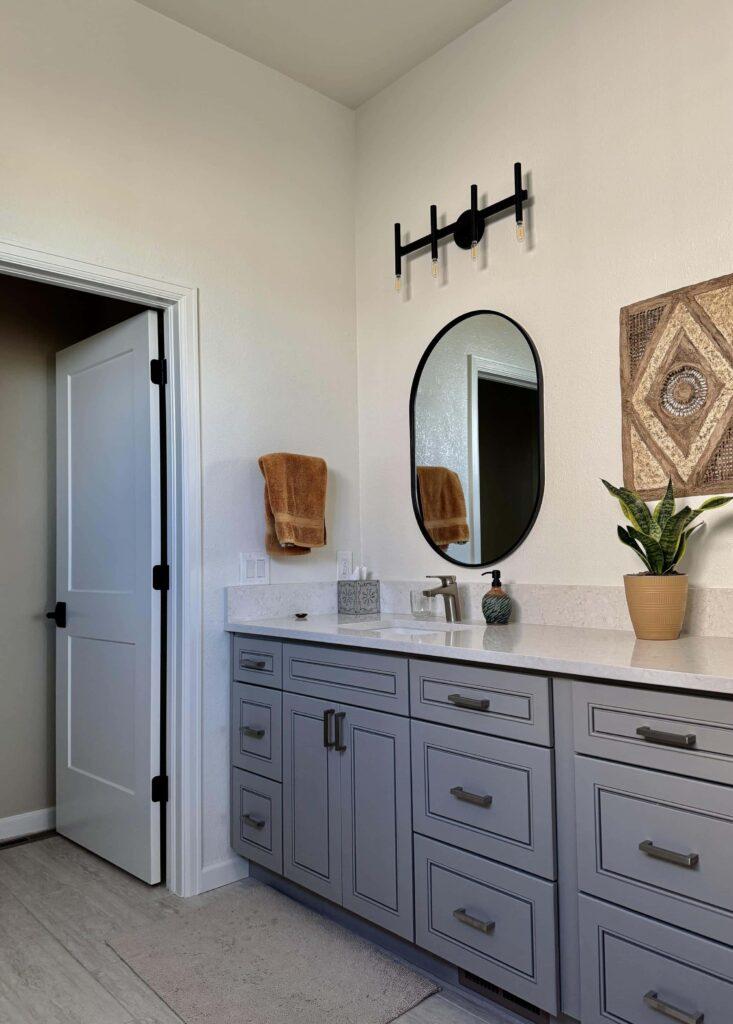
Alabaster in bathrooms creates a soft, warm feel.
It works well in bathrooms with beige tile, travertine, or warm countertop materials.
If you have brass or gold fixtures, Alabaster complements the warm metals better than cool whites.
The low LRV also means it doesn’t show every imperfection in your wall texture.
Kitchen
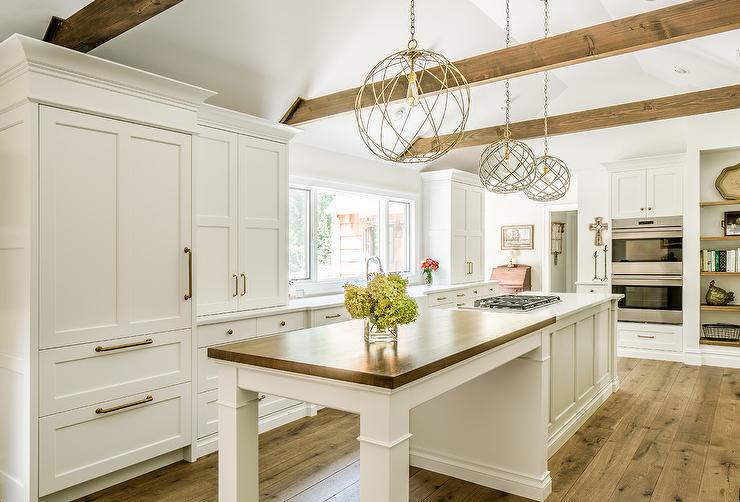
White Dove on kitchen cabinets is a design standard at this point.
It’s bright enough to make kitchens feel open but soft to feel livable.
It pairs well with white quartz countertops and stainless appliances. On kitchen walls, it creates flow with white cabinetry while providing subtle differentiation.
The finish matters as satin or semi-gloss on cabinets for durability and easy cleaning.
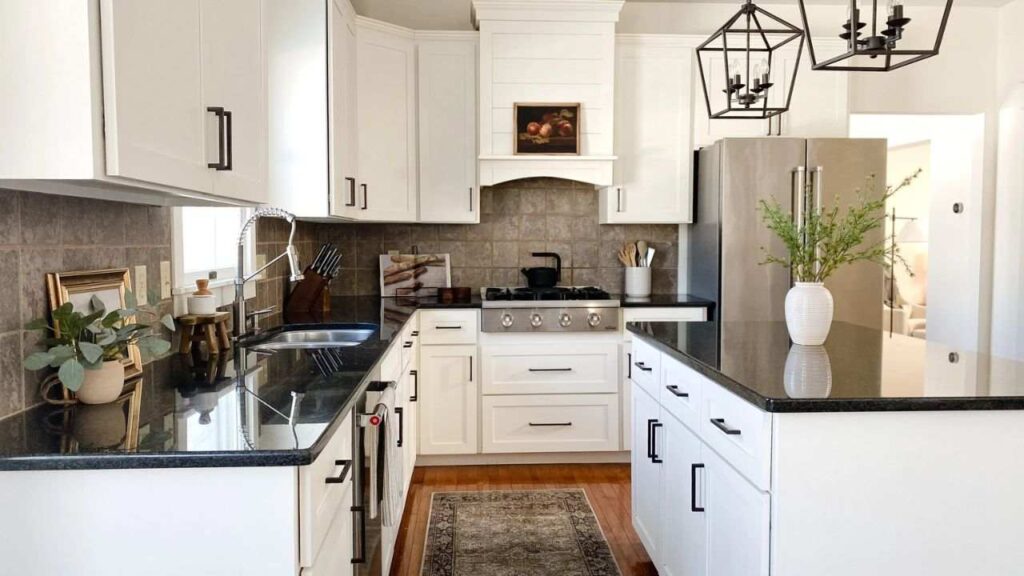
Alabaster in kitchens works best in traditional or farmhouse designs.
If you have butcher block counters, beige granite, or warm backsplash tile, Alabaster feels cohesive.
It’s gorgeous with oil-rubbed bronze or brass hardware.
Alabaster looks dingy by comparison.
Exterior
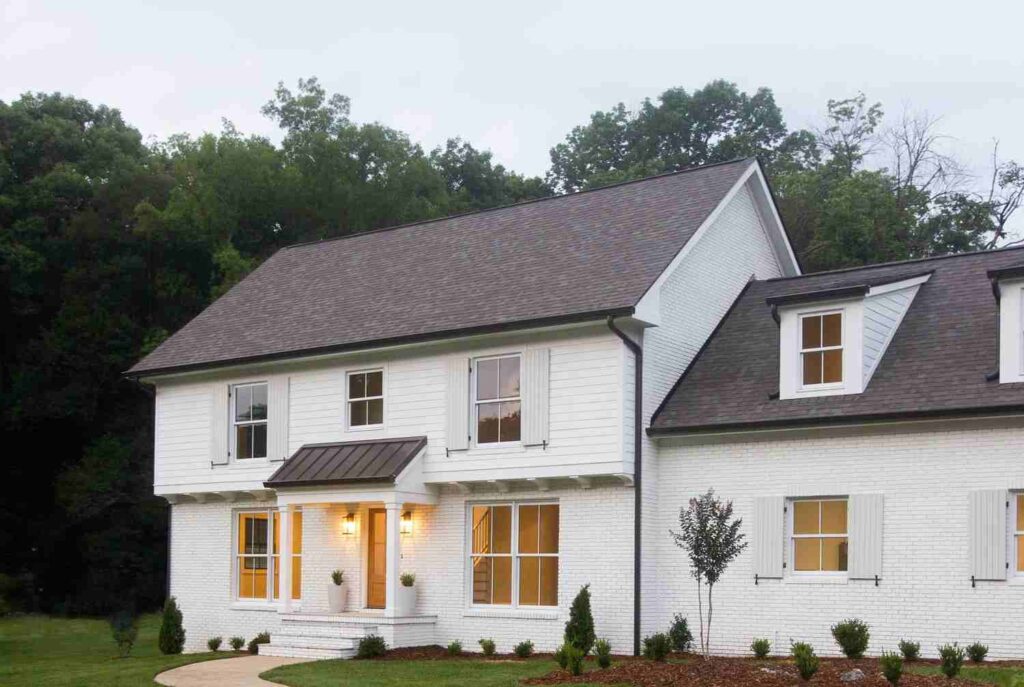
White Dove on exteriors is classic and versatile. It works on full-house siding, trim, shutters, and front doors.
It holds up beautifully against red brick, gray stone, and natural wood.
The LRV means it stays bright and clean-looking.
I’ve used it on colonial homes, craftsman bungalows, and modern farmhouses. It adapts.
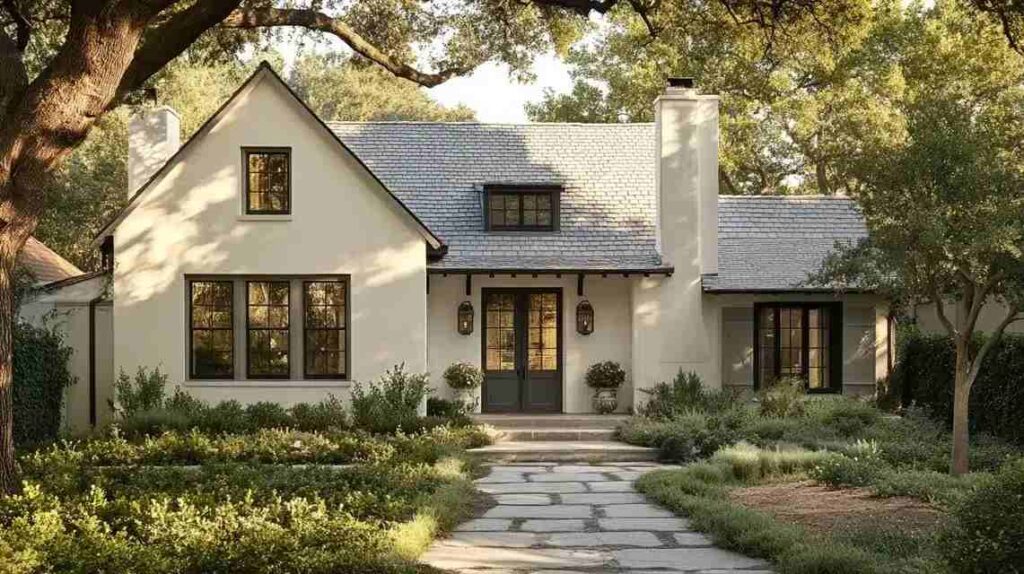
Alabaster on exteriors creates warmth and charm. It’s stunning on homes with warm brick, limestone, or stucco.
It feels traditional and less bright than brighter whites.
If your home has warm architectural elements you want to complement rather than contrast, Alabaster is your answer.
BM White Dove Vs SW Alabaster Vs Other Colors
Rather than these two because you’re considering other options too.
White Dove Vs Alabaster Vs Simply White
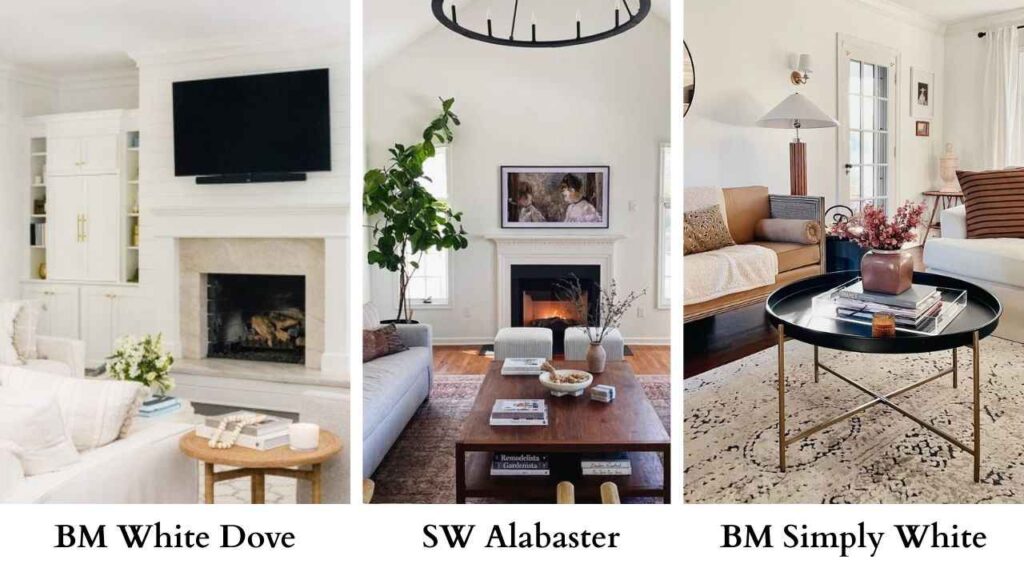
Simply White (BM) has an LRV of 89.52, brighter than White Dove and Alabaster.
It has a subtle warm undertone but is fresh and clean.
If White Dove feels soft and Alabaster creamy, Simply White is middle ground. It’s popular in Tuscan-style homes and spaces where you want warmth without depth.
Alabaster Vs Swiss Coffee
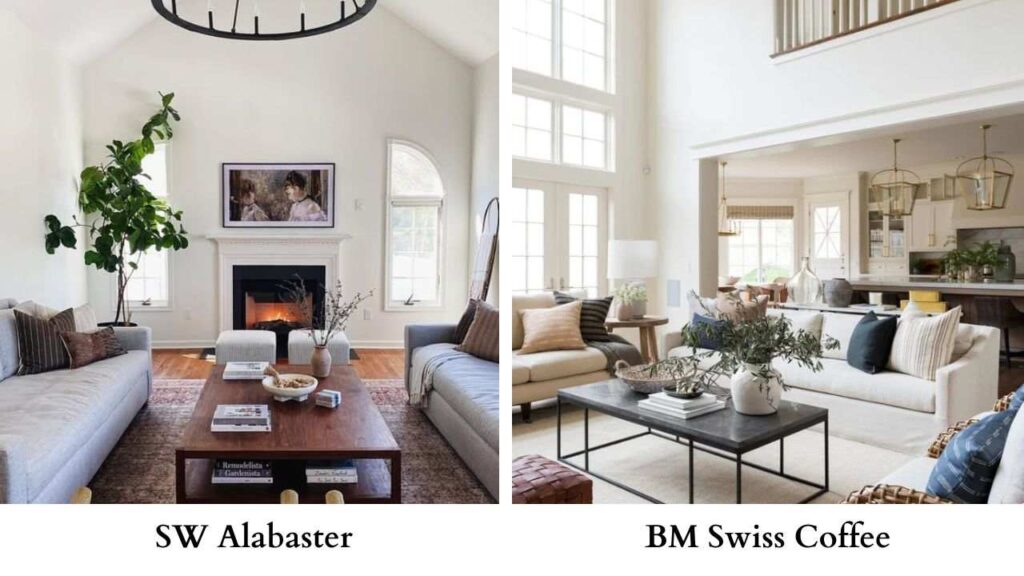
Swiss Coffee is warm and creamy than Alabaster. If you tested Alabaster and thought “close, but I want more warmth,” Swiss Coffee is worth considering.
It has more yellow undertone, which can either be perfect or depending on your lighting and finishes.
White Dove Vs Greek Villa
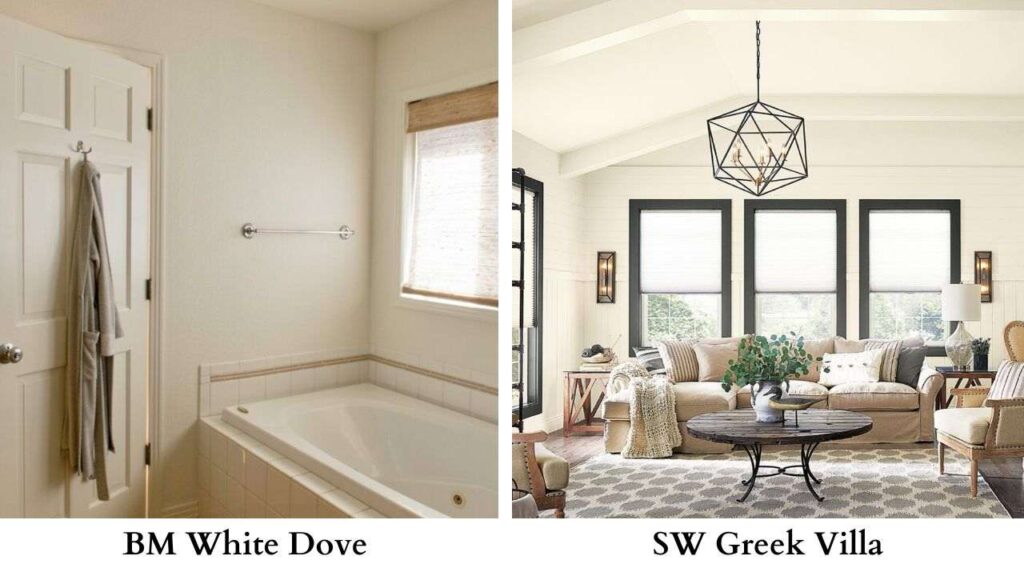
Greek Villa (SW) is similar to White Dove in that it’s a soft warm white with gray undertones.
The undertones are more pronounced, it can bring more greige than White Dove in lighting.
Benjamin Moore Alabaster Vs Sherwin Williams Alabaster
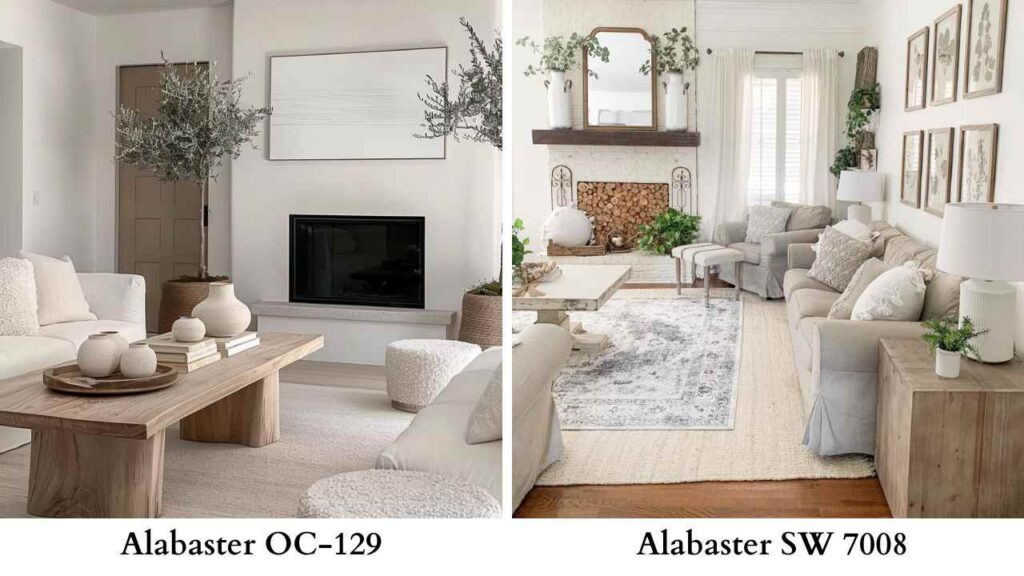
Benjamin Moore doesn’t make a color called Alabaster.
Sometimes people confuse this because both brands are common.
If you’re looking for a BM equivalent to SW Alabaster, you’re looking at colors like Cloud White (LRV 85.05) which has creamy warmth.
Alabaster Vs White
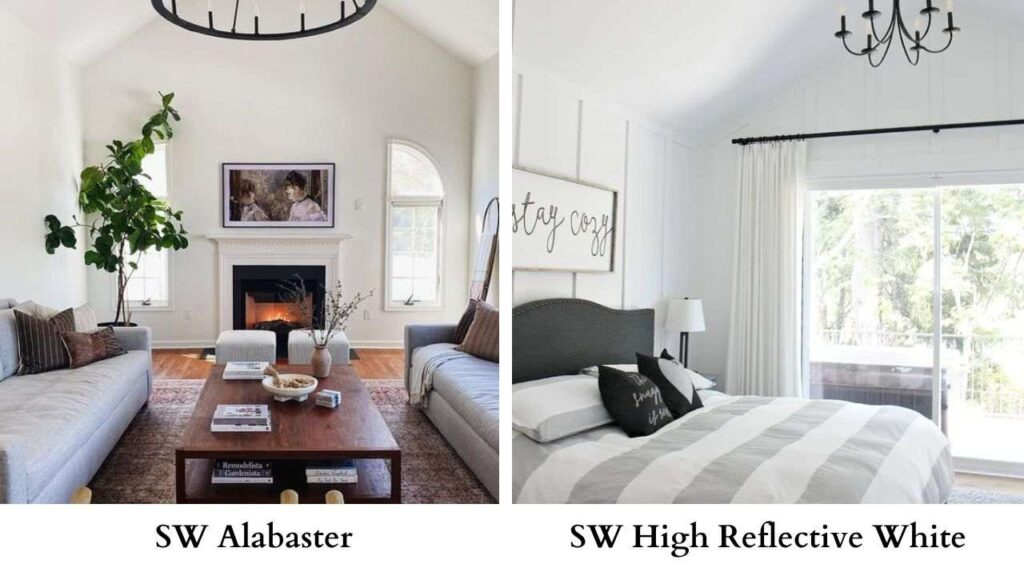
When people say “white,” they mean bright whites or true whites, SW High Reflective White (LRV 93) or BM Chantilly Lace (LRV 90.04). These are brighter than Alabaster.
They have minimal undertones and maximum light reflectance.
Alabaster is an off-white, it’s warm, creamy, and soft. True whites are clean, bright, and fresh.
Conclusion
Choose White Dove if you need flexibility, brightness, and a white that works across multiple design styles.
If you’re painting cabinets, need a house color, or have finishes that range from warm to cool, White Dove is what you should consider.
Choose Alabaster if warmth and coziness is what you want other than versatility.
If your home has warm finishes, or has a farmhouse aesthetic, or you want spaces that feel inviting rather than bright, Alabaster is what you are looking for.
Test them both. And test them on big samples, on multiple walls, observed at different times of day.
The money you spend on samples will save you from repainting your rooms.
Your lighting will decide which one works.
Because comparing BM White Dove Vs SW Alabaster can make your decision a bit confusing.
FAQs on BM White Dove vs SW Alabaster
Which color is better, white dove or alabaster?
What undertones does bm white dove have?
Do White Dove and Alabaster go together?
When to not use white dove?